

This directory covers 33 collected character pages plus the game overview: five human-story pages, the Mimic and other threats, workshop machines, costume categories, prototypes, and legacy Fazbear references.
Character directory
Human and animatronic characters
These two top-level categories are read directly from the original game overview JSON. Links are local when a collected profile exists; other entries remain plain text.
Human Characters
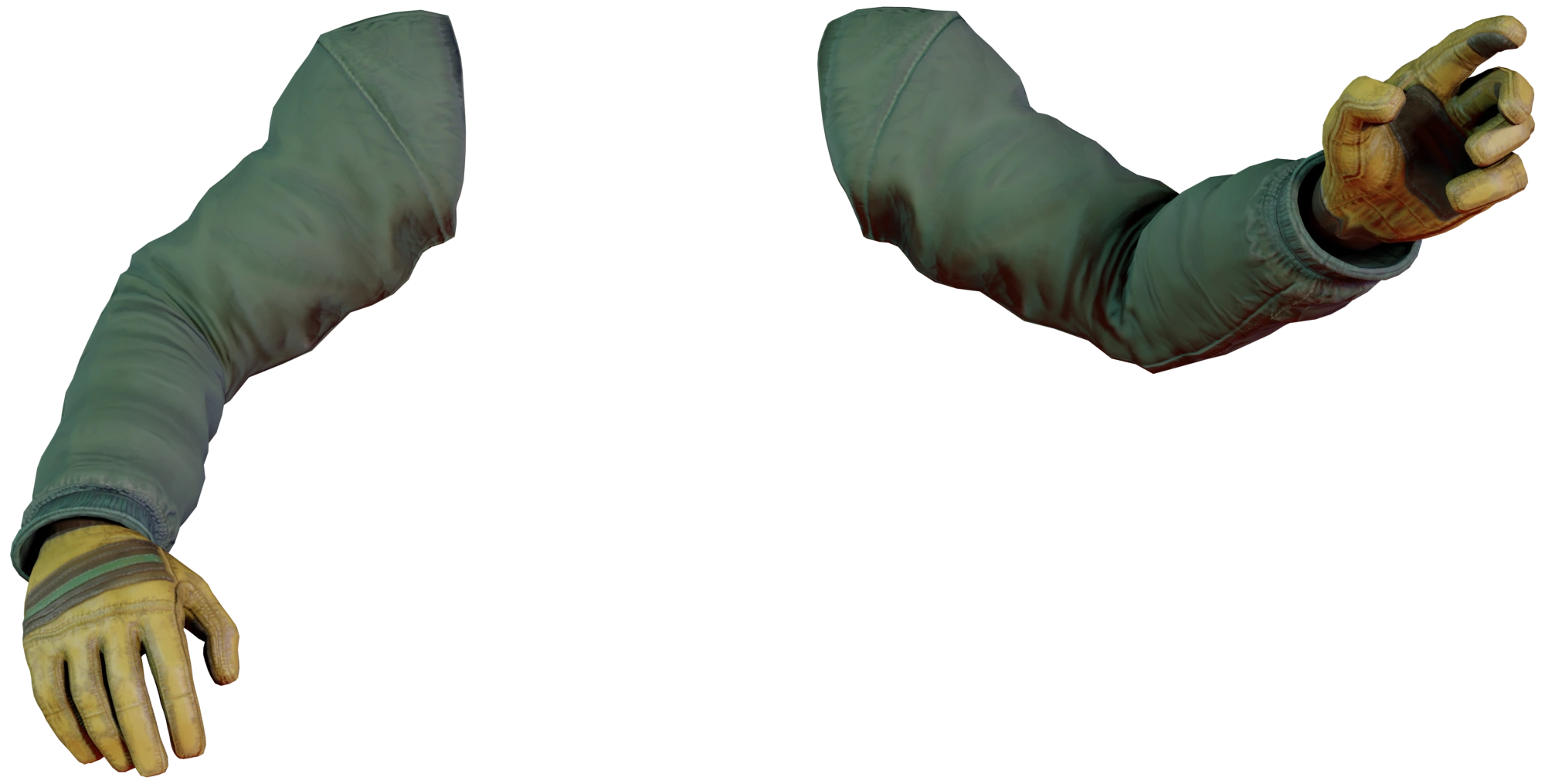 Arnold
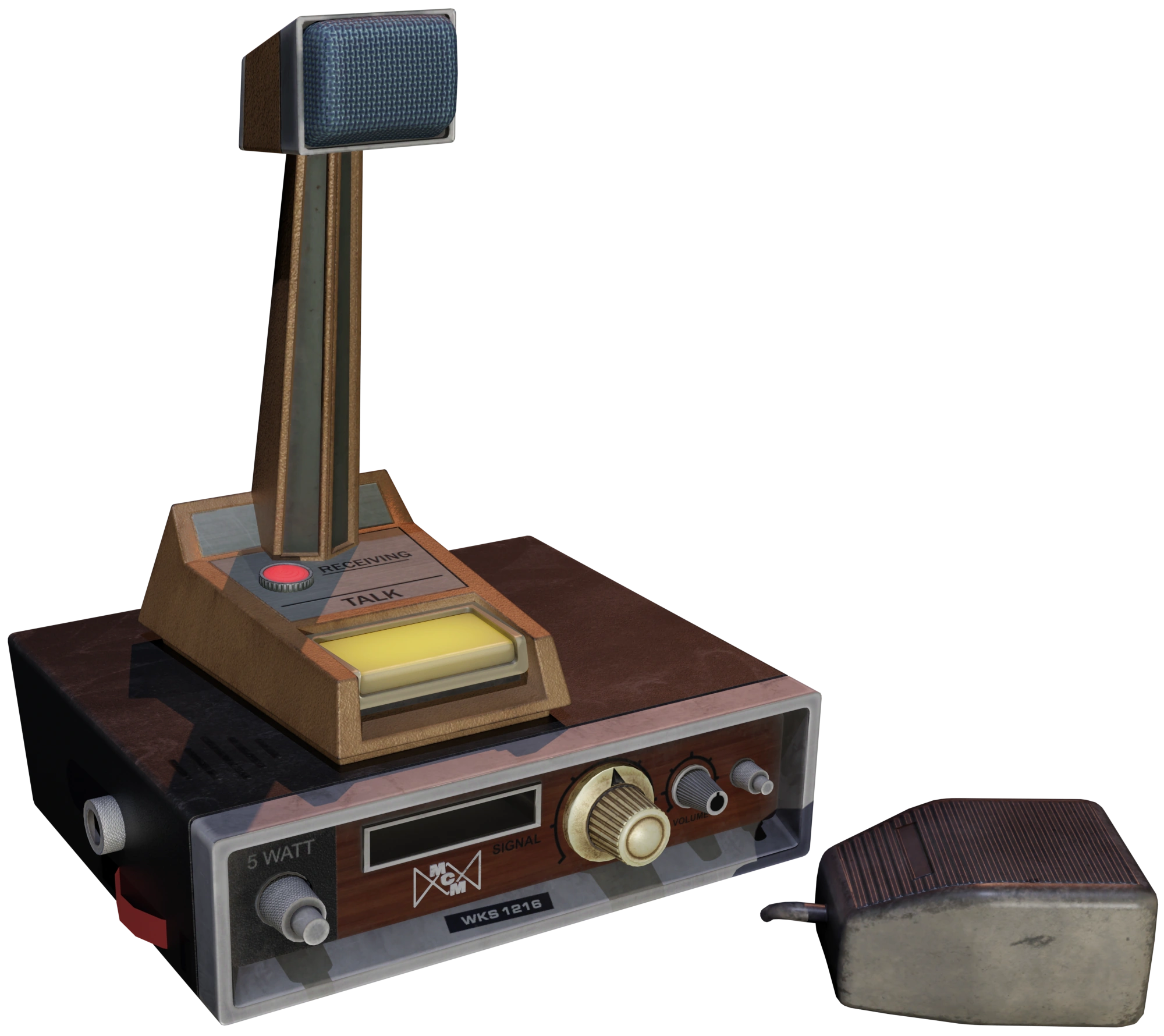 Dispatch
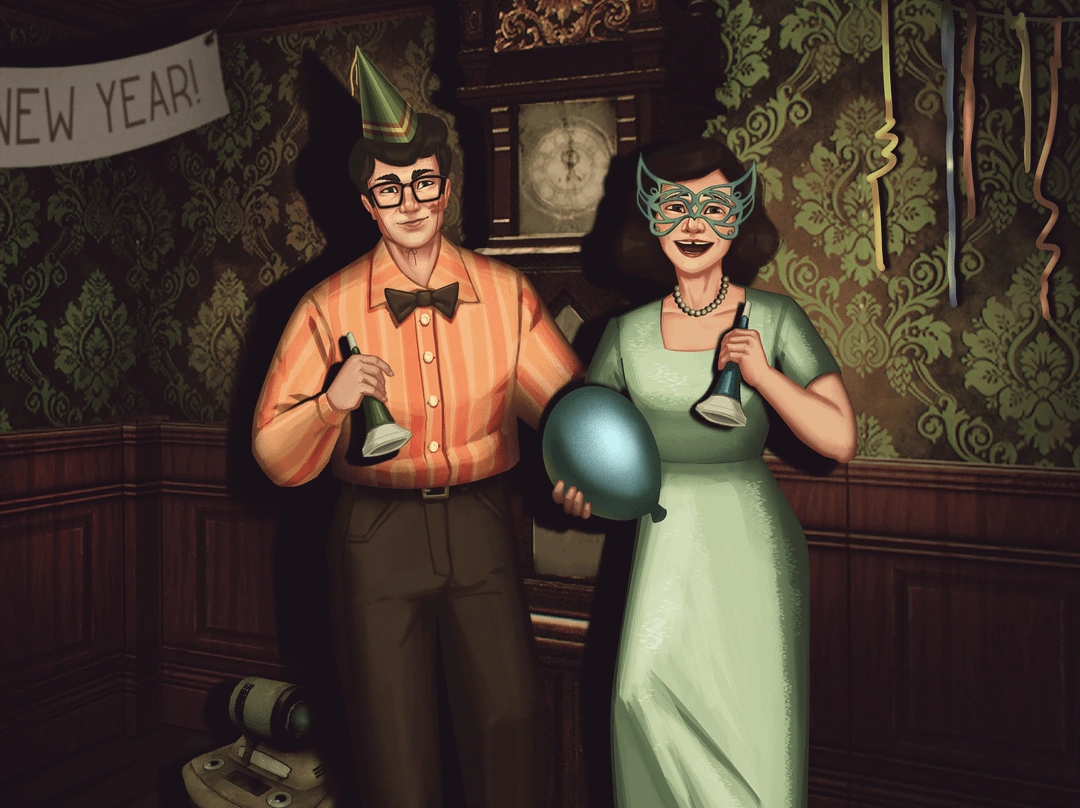 Edwin Murray
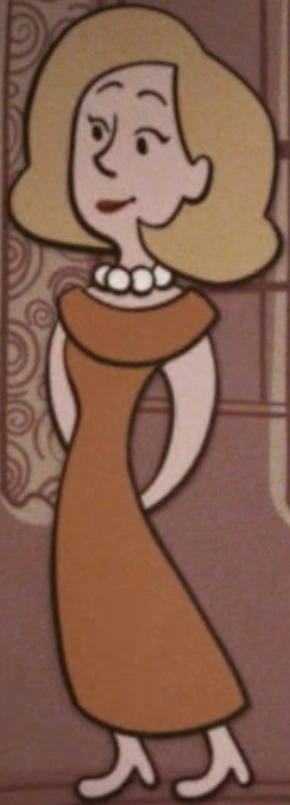 Fiona Murray
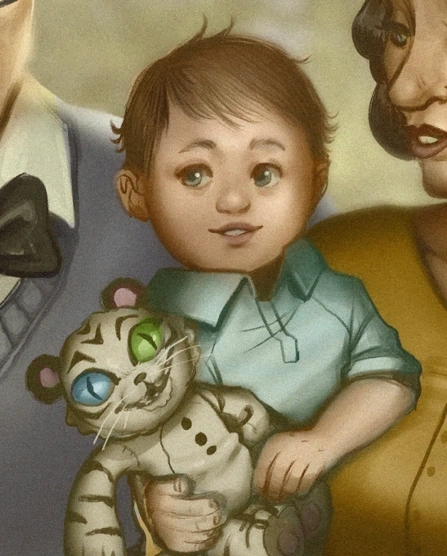 David Murray
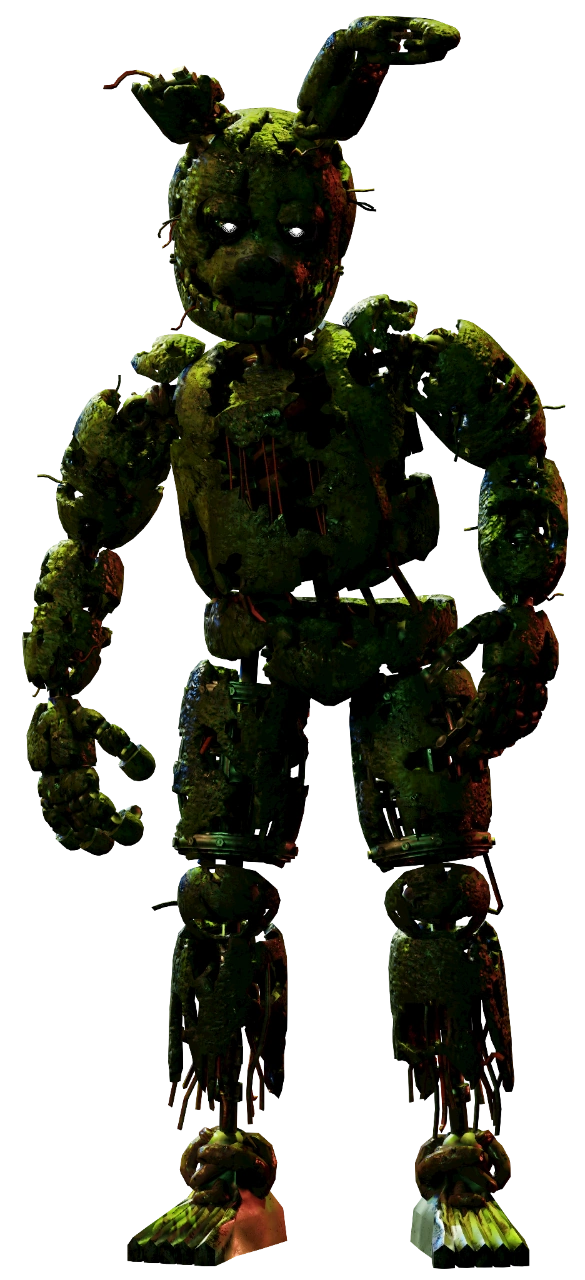 William Afton/W.A. (Cameo Only)
- Henry Emily/Hen (Cameo/Mentioned Only)
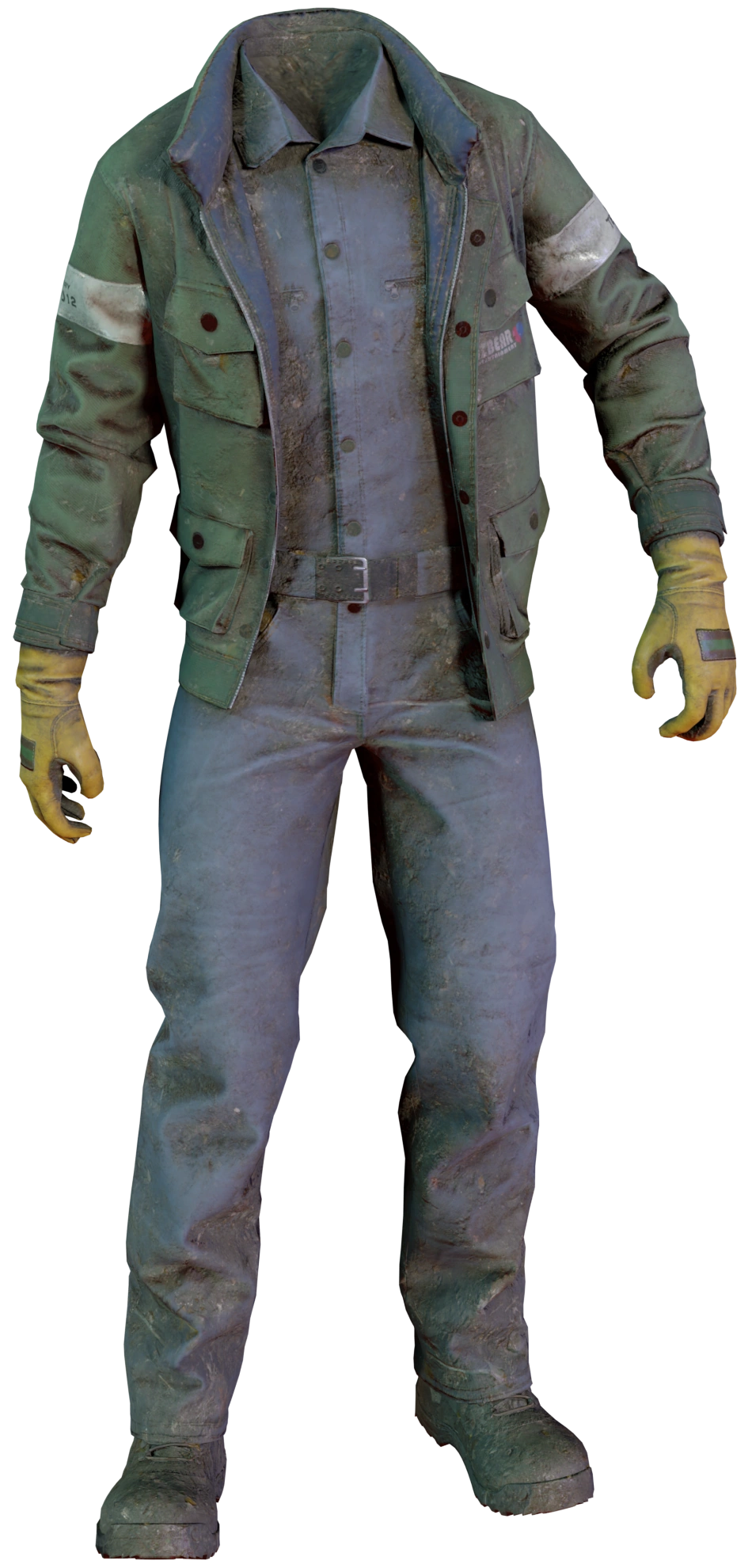 Edwin Murray Sr. (Pictured/Mentioned Only)
- Recovery Team 12 Corpses
Animatronic Characters
Returning
Newly Introduced
Springlock Suits |
|
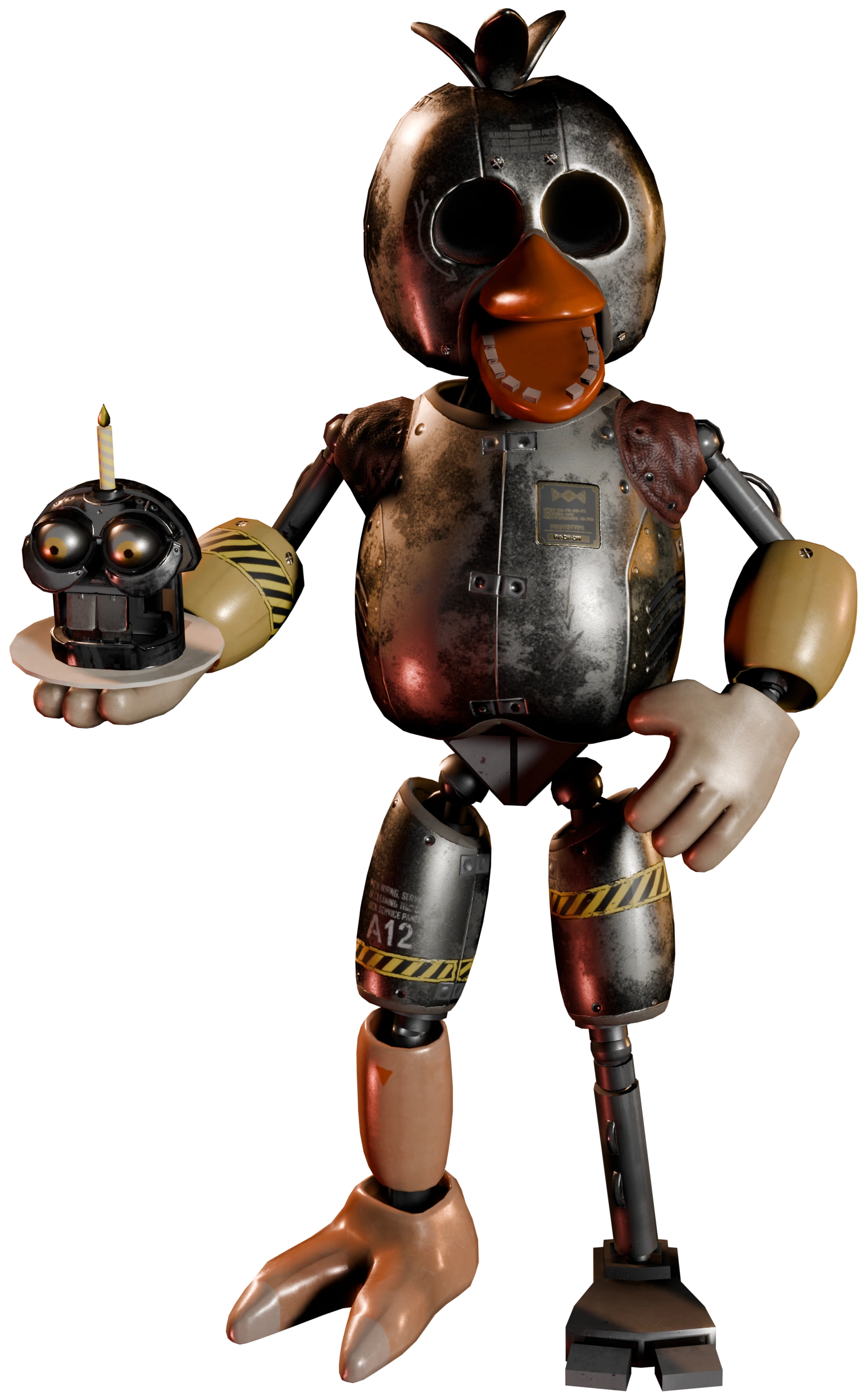
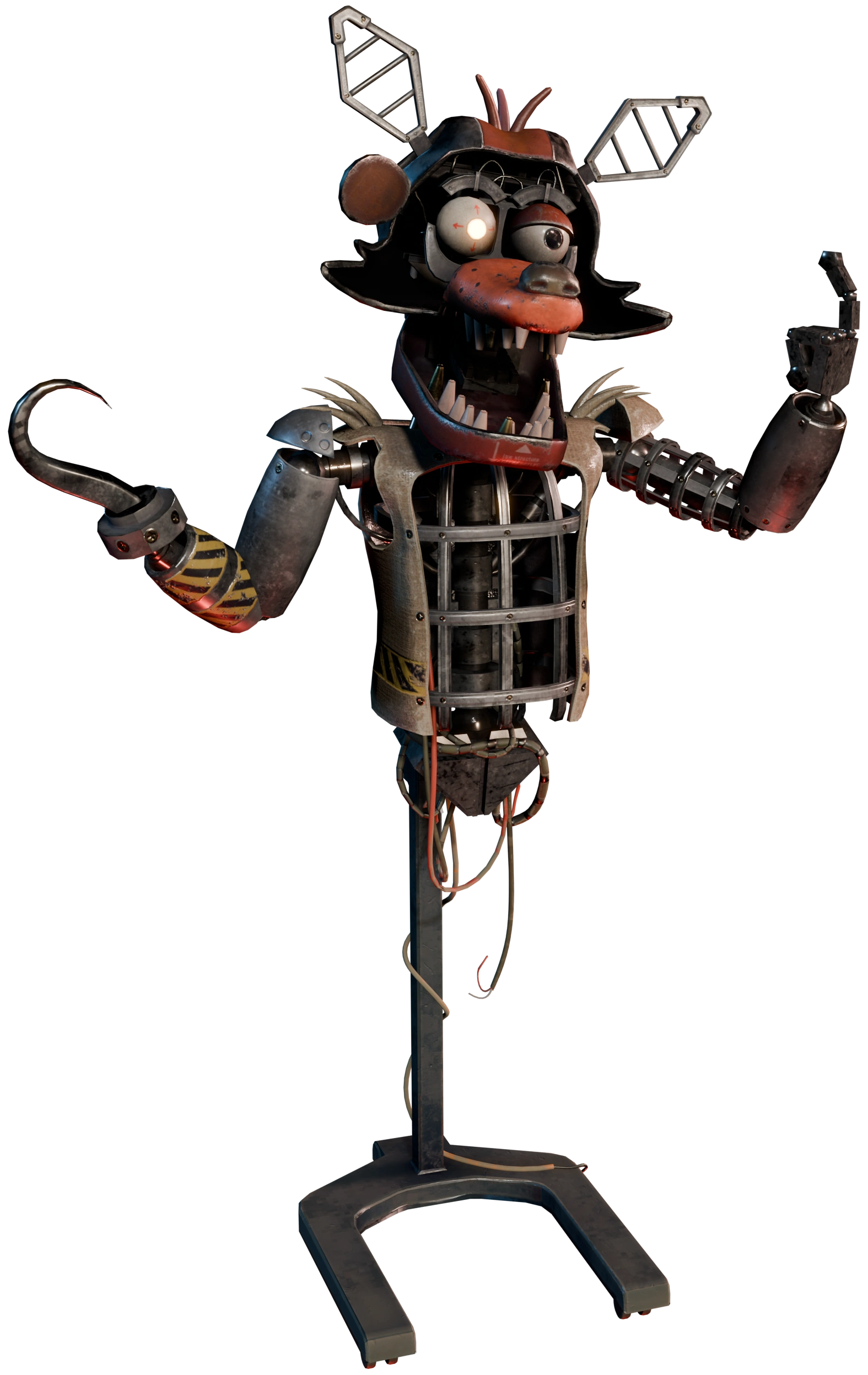
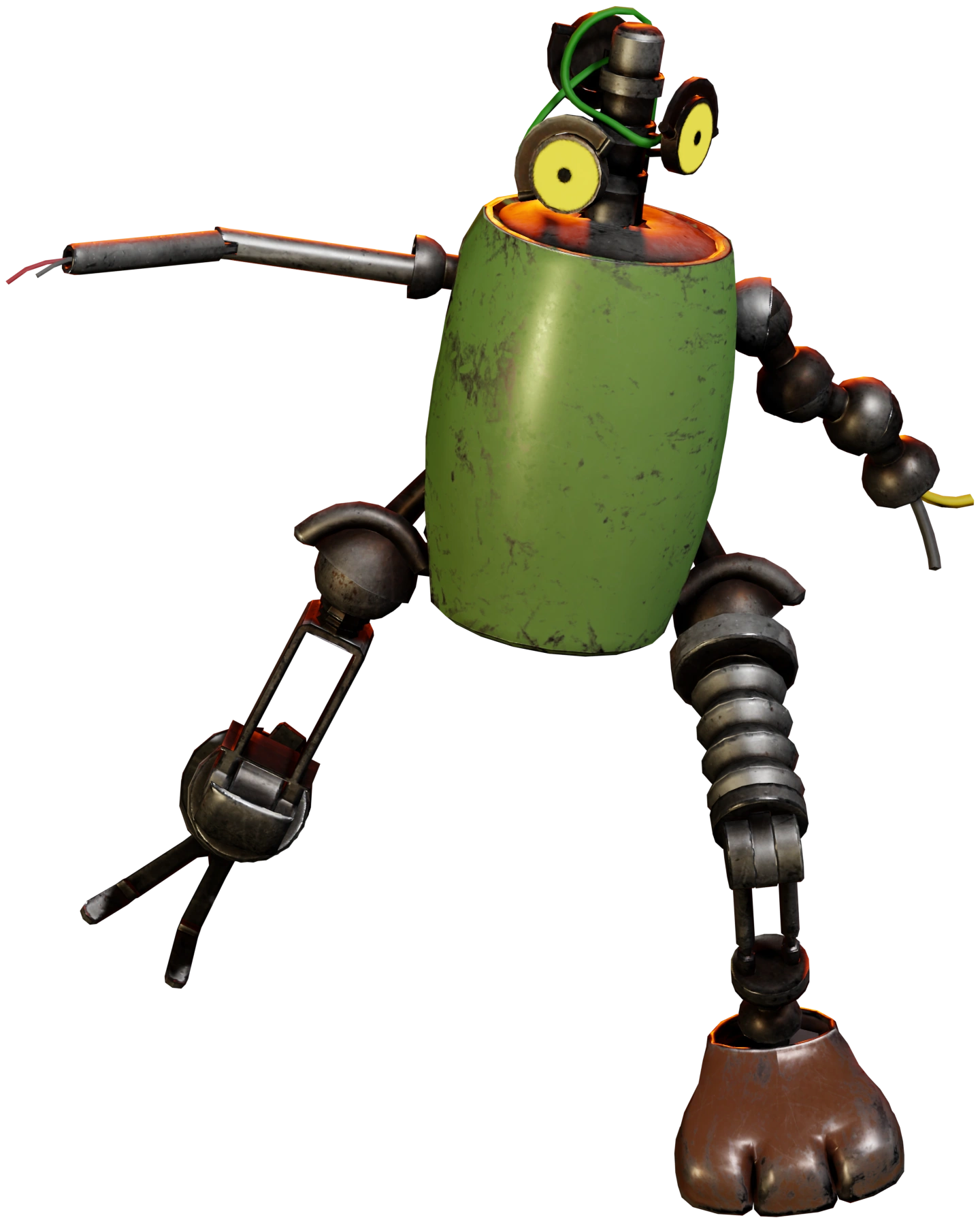
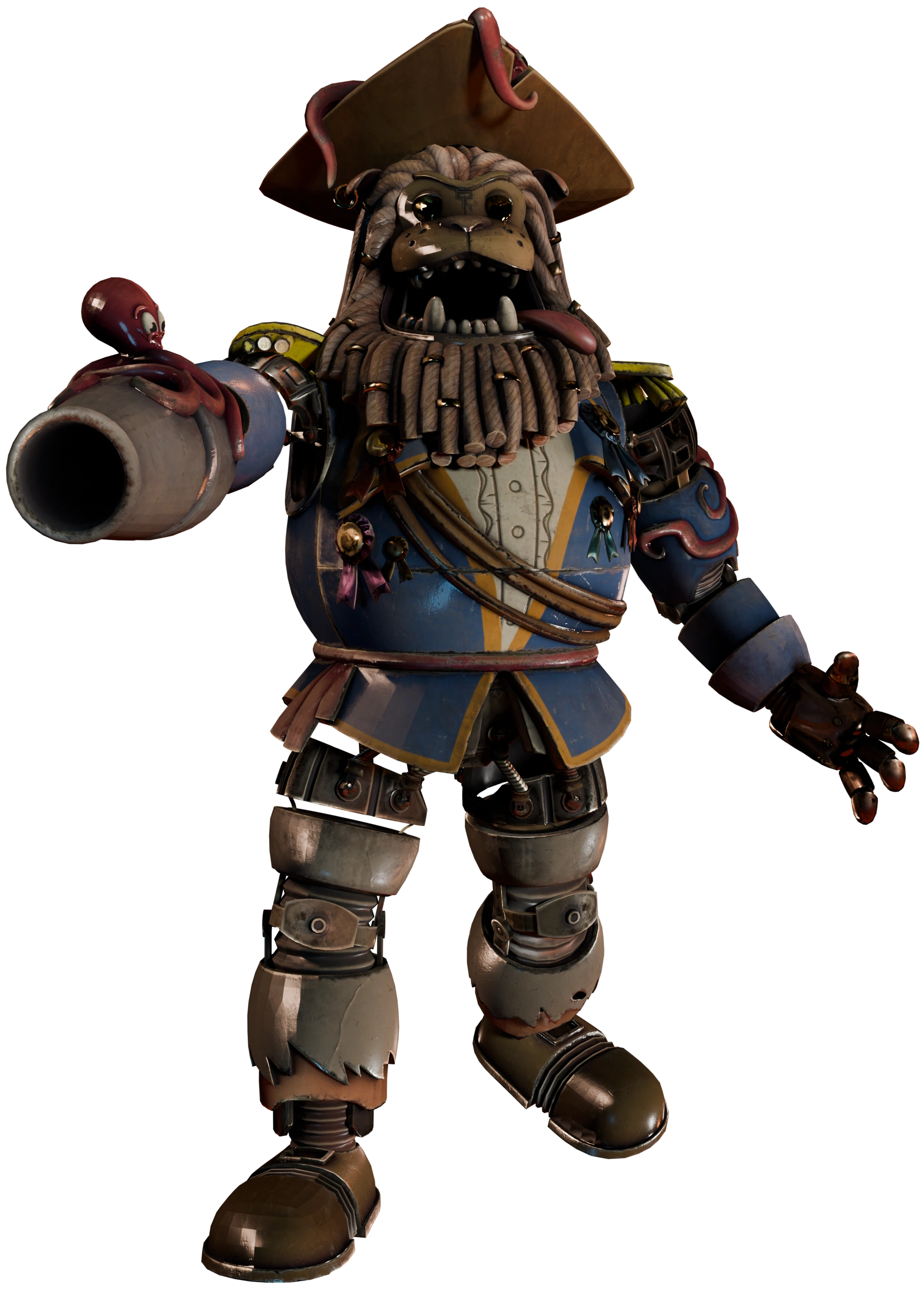
What this directory contains
This is a fixed reference catalogue, not a list of 34 playable people. The collected set contains one game overview page and 33 linked pages. Some pages describe a person or an enemy; others describe a group, a wearable costume, a utility machine, or an older franchise character used for comparison.
| Type | Included pages | How to read them |
|---|---|---|
| Human story | Arnold, Dispatch, Edwin Murray, Fiona Murray, David Murray, Minor Characters | The recovery mission and the Murray family background. |
| Main danger | The Mimic, Jackie, Big Top, Nurse Dollie, Party Time Chica, White Tiger, Sleepy Moon, Protomimics | Threats, chase spaces, or hostile forms connected to the manor. |
| Workshop cast | Mr. Helpful, Mrs. Helpful, Puppet Crew, Digi-Typer, Clean-O-Vac, Rocktapus, Mannequins | Stage, office, maintenance, display, and guidance machines. |
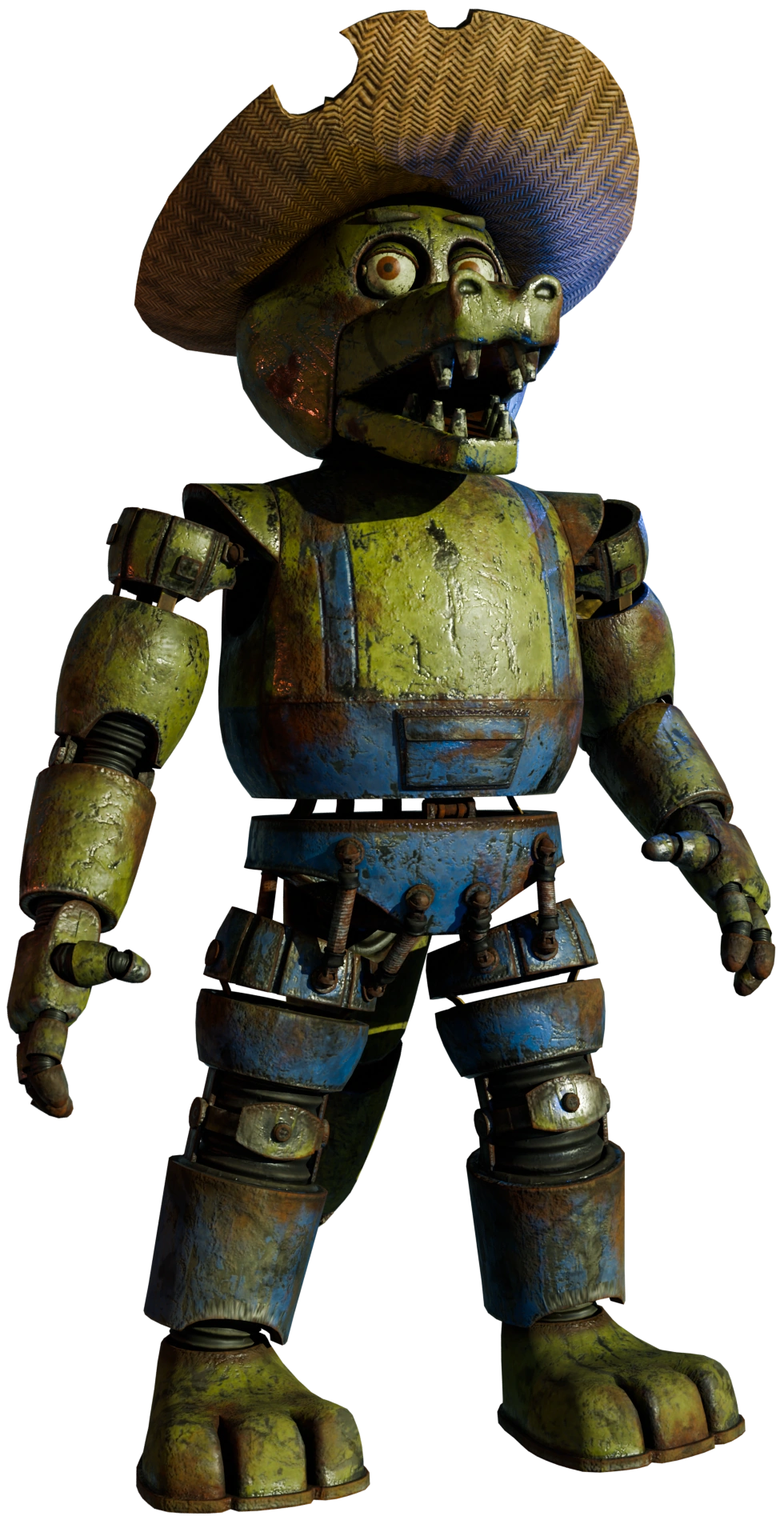
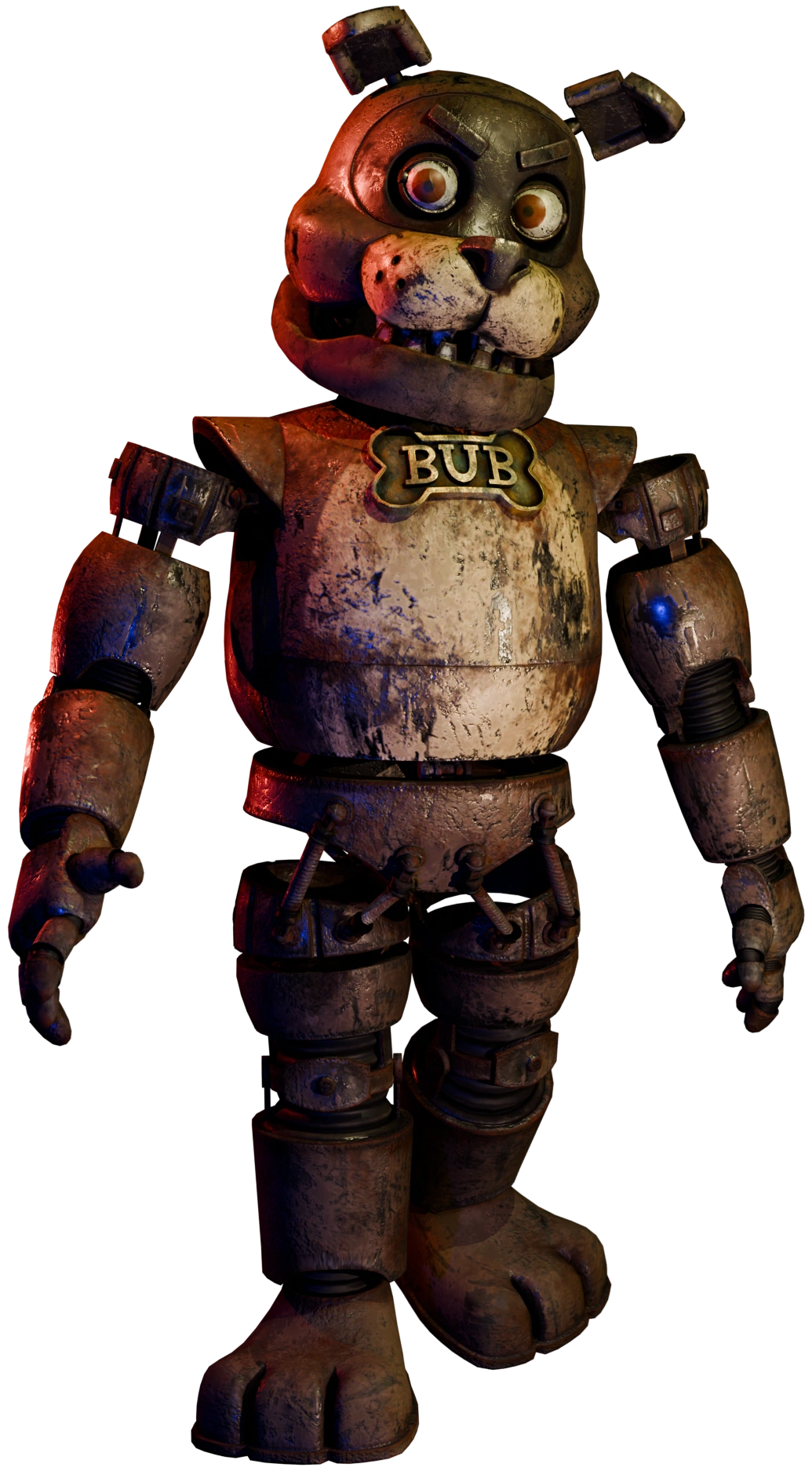
| Wearable or grouped equipment | Mascot Suits, Pirate Captain, Springlock Monty, Bub | Costumes and suit systems; they are not automatically independent characters. |
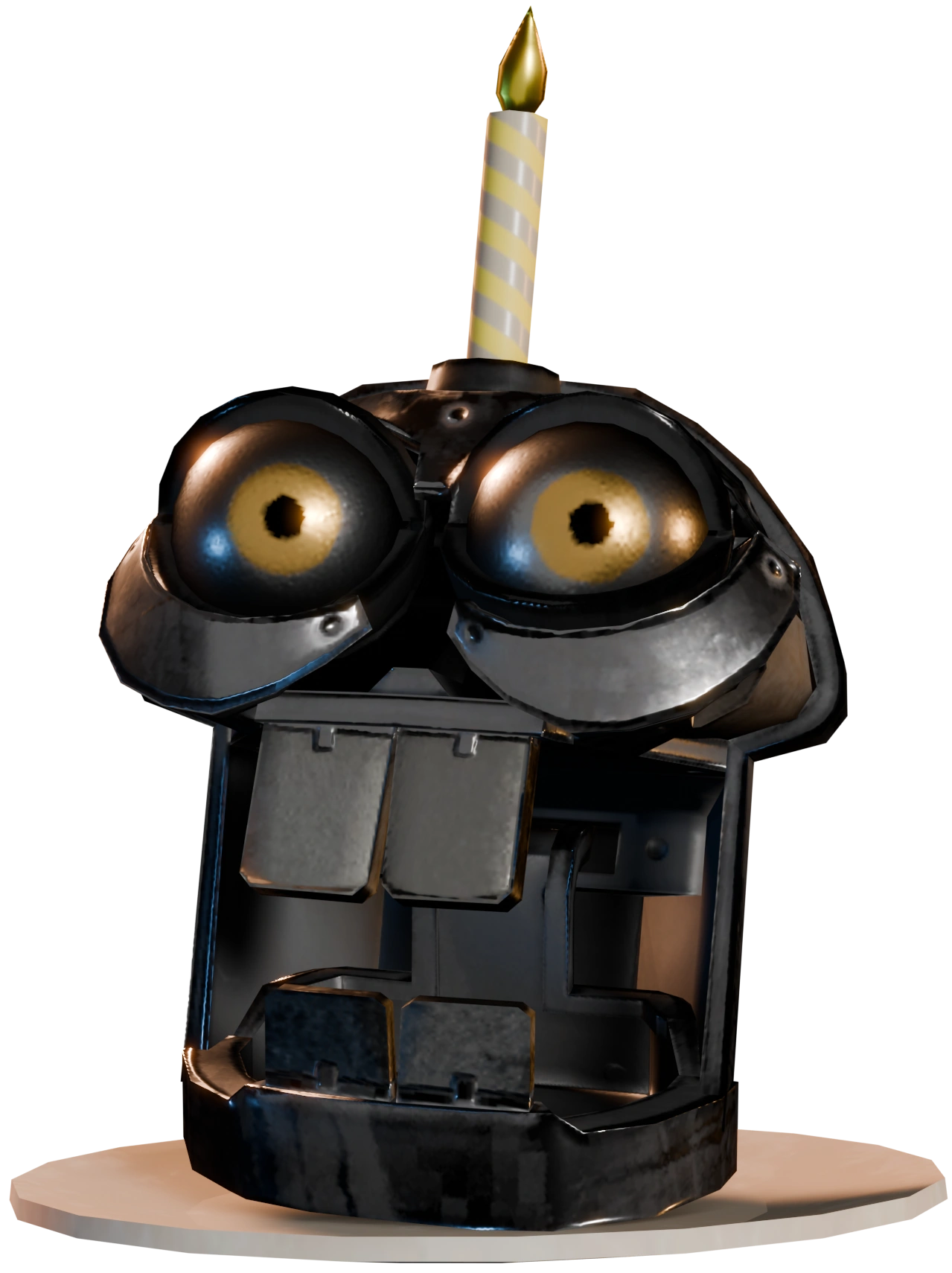
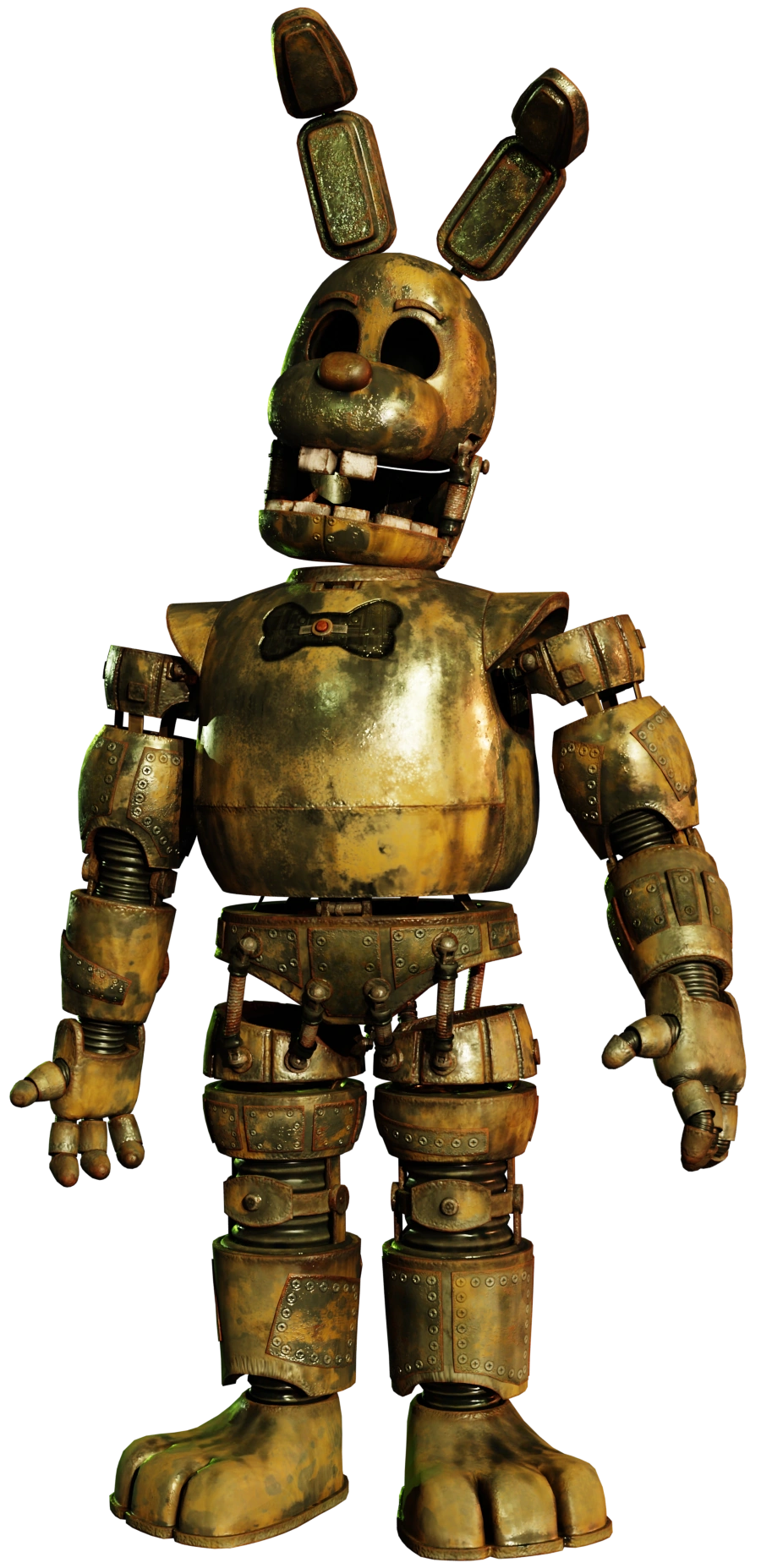
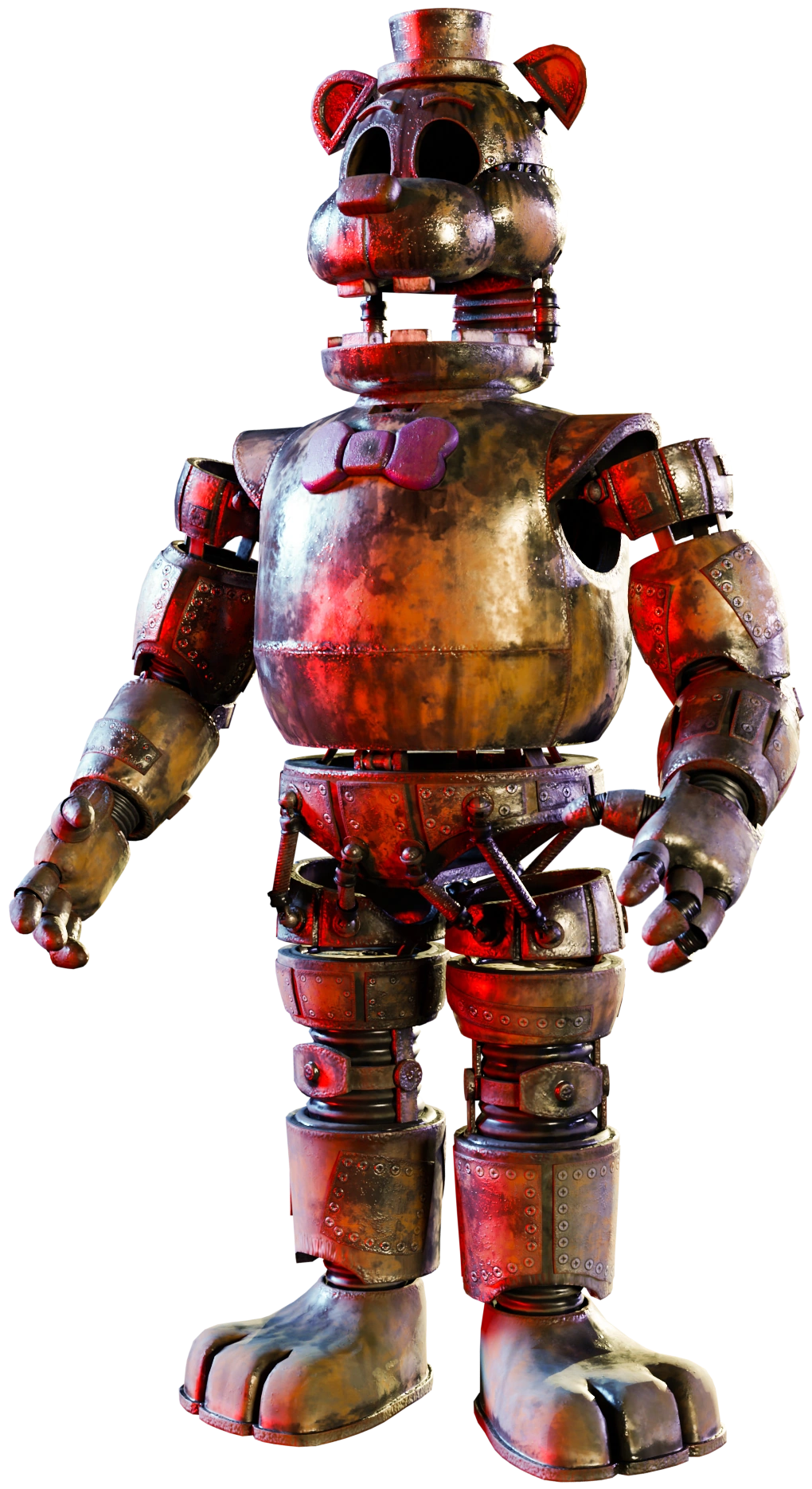
| Prototype and legacy references | Freddy Fazbear, Bonnie, Chica, Foxy, Fredbear, Cupcakes, Spring Bonnie, Springtrap | Wider-series reference pages. Only their material explicitly connected to this game belongs to its cast. |
Human story and plot figures
| Name | Fixed role in the reference set |
|---|---|
| Arnold | Fazbear technician and player character. He enters Costume Manor to recover company-claimed prototype assets. |
| Dispatch | Remote voice contact who gives Arnold task and access instructions. |
| Edwin Murray | Engineer, inventor, former Murray Co. owner, and creator connected to the Mimic project. |
| Fiona Murray | Co-owner, character and costume designer, puppeteer, and David's mother. |
| David Murray | Edwin and Fiona's son; his family history is central background for the Mimic story. |
| Minor Characters | A collection page for smaller references such as Edwin Murray Sr. and Recovery Team 12 rather than one individual. |
Core enemies and encounter characters
| Name | Fixed role in the reference set |
|---|---|
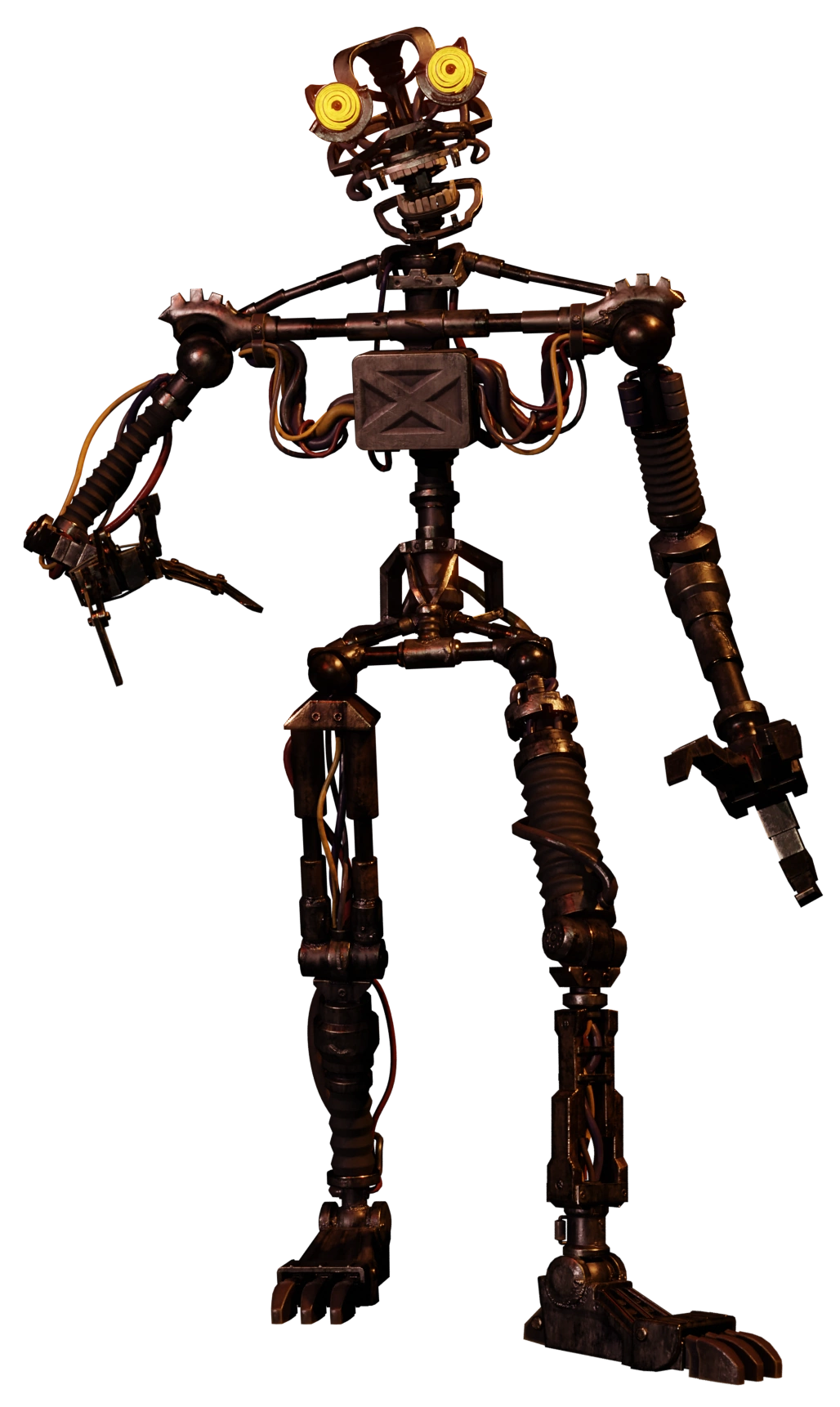
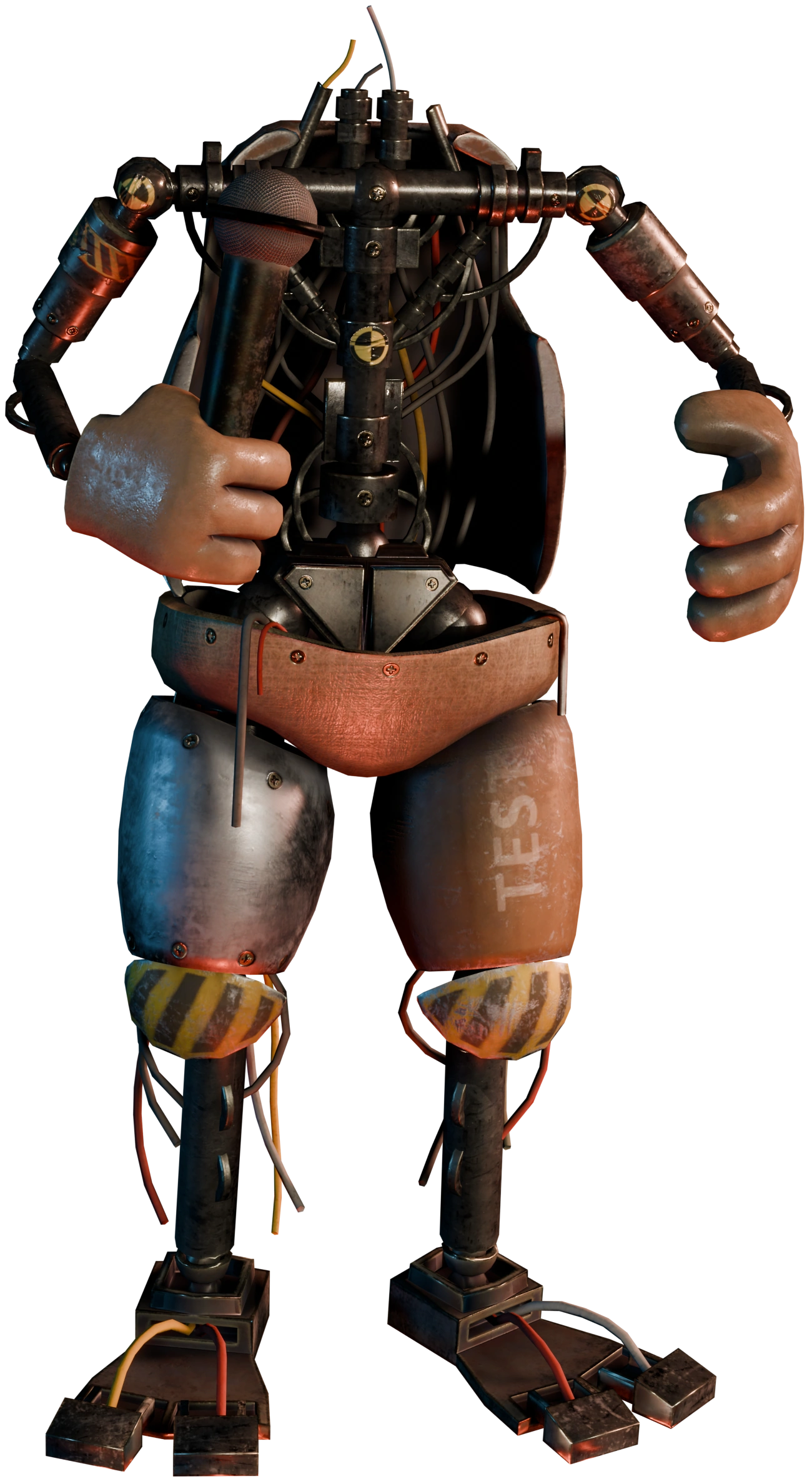
| The Mimic | The central adaptive prototype endoskeleton and the connecting threat across Costume Manor. |
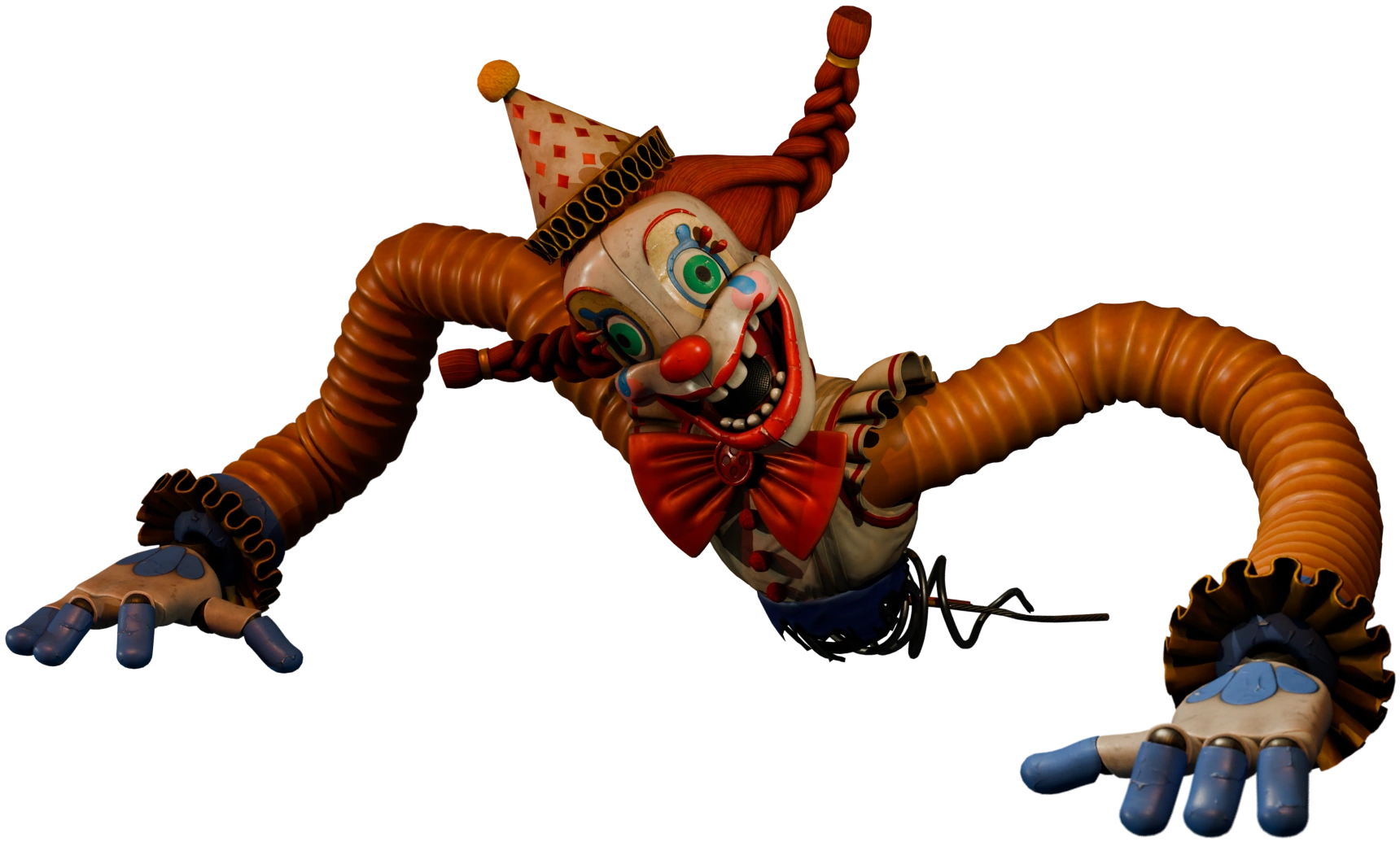
| Jackie | Large jack-in-the-box performer and an early major threat. |
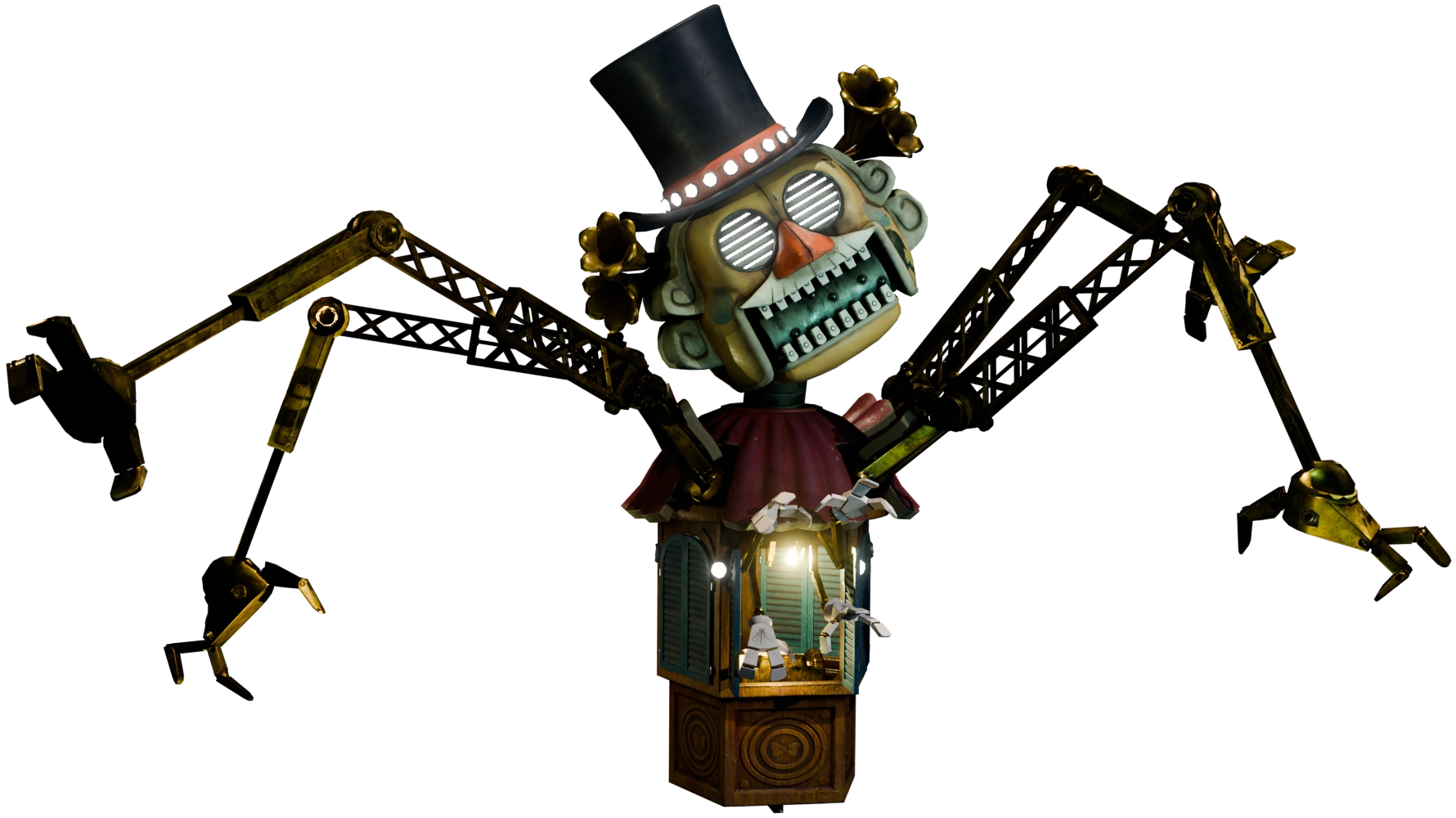
| Big Top | Ticket-taking show machine in Big Top's Showroom; associated with the early encounter space. |
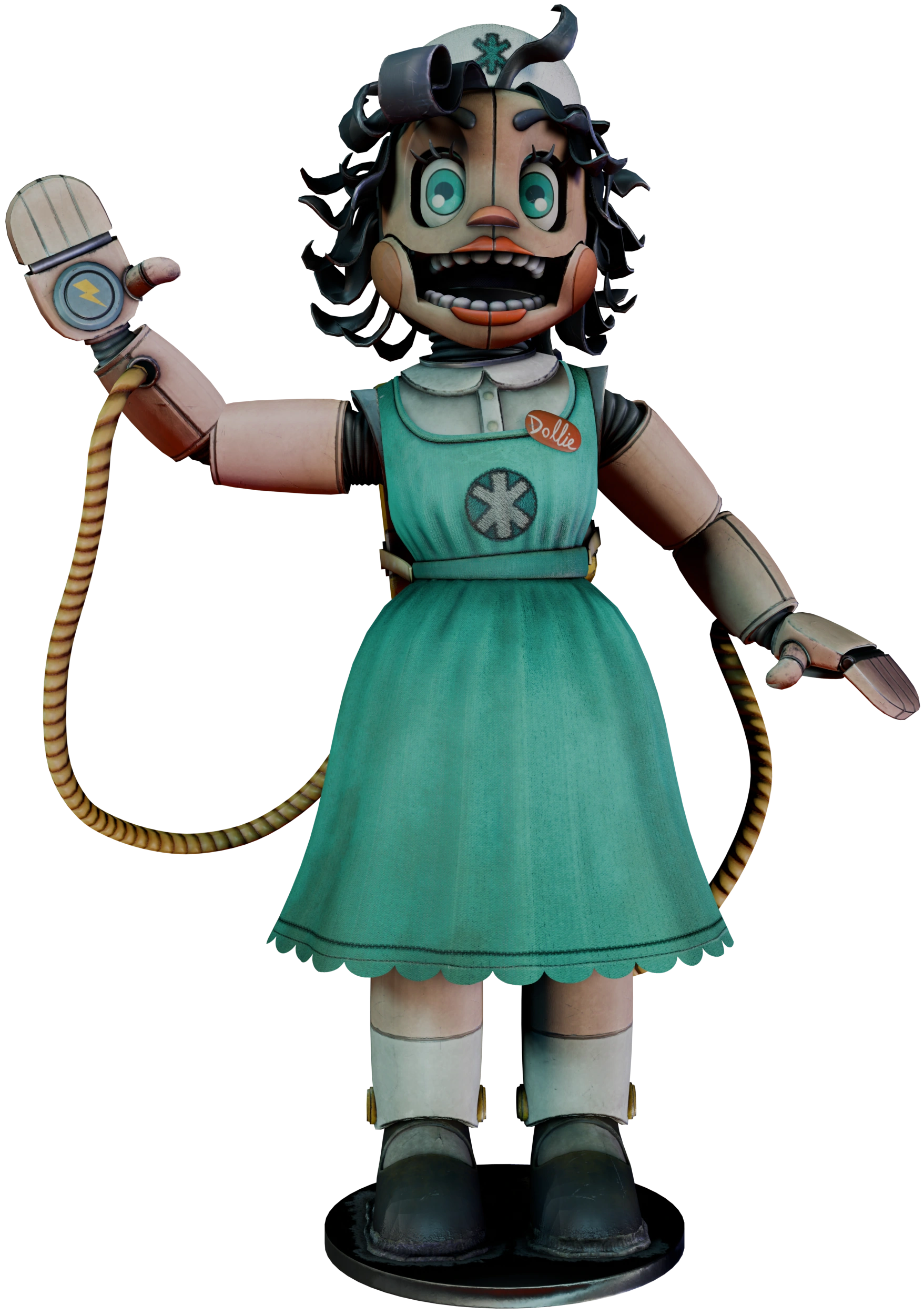
| Nurse Dollie | Nurse-themed recycling-area machine with patrol and furnace-sequence forms. |
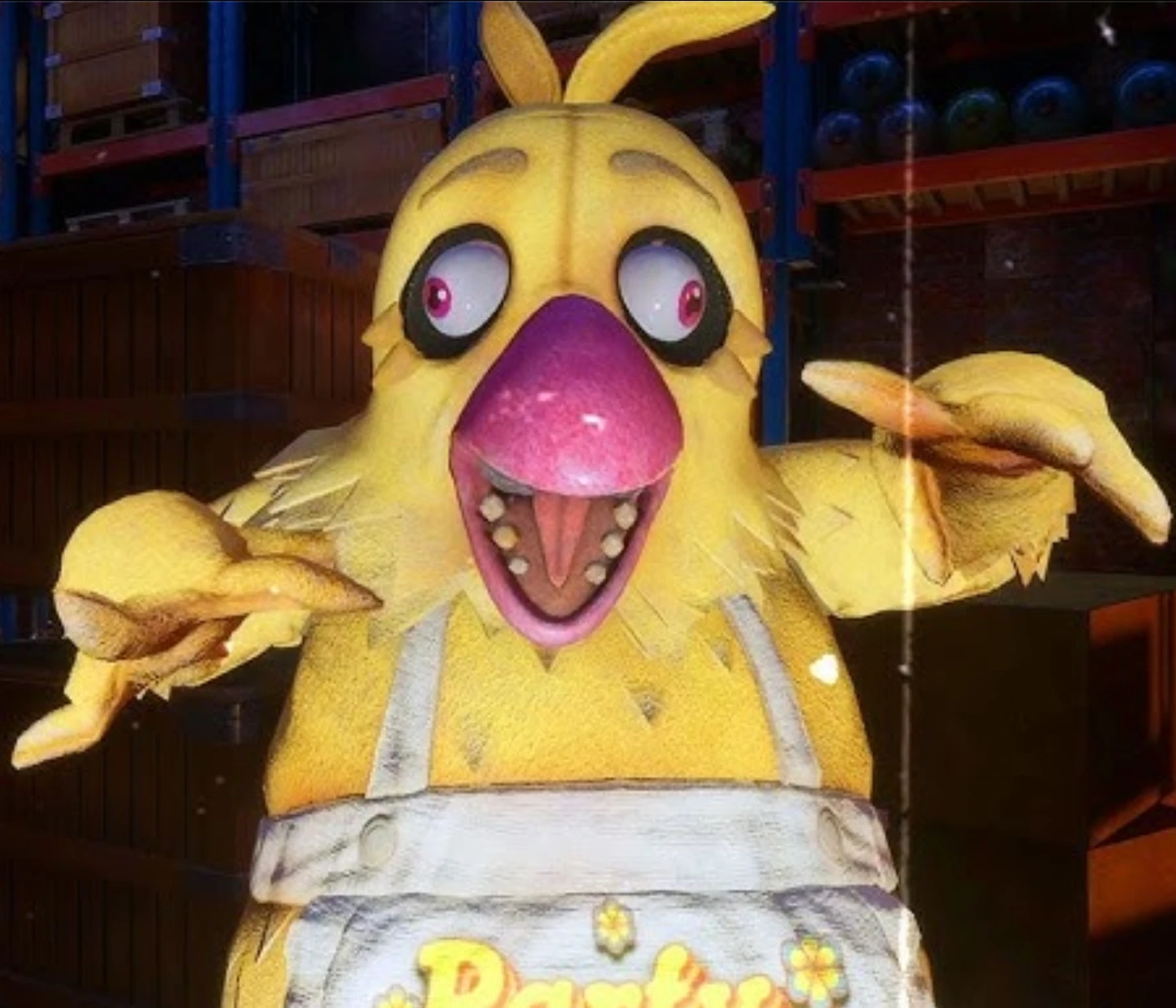
| Party Time Chica | Chica's Party World mascot form used in warehouse and Admin Wing encounters. |
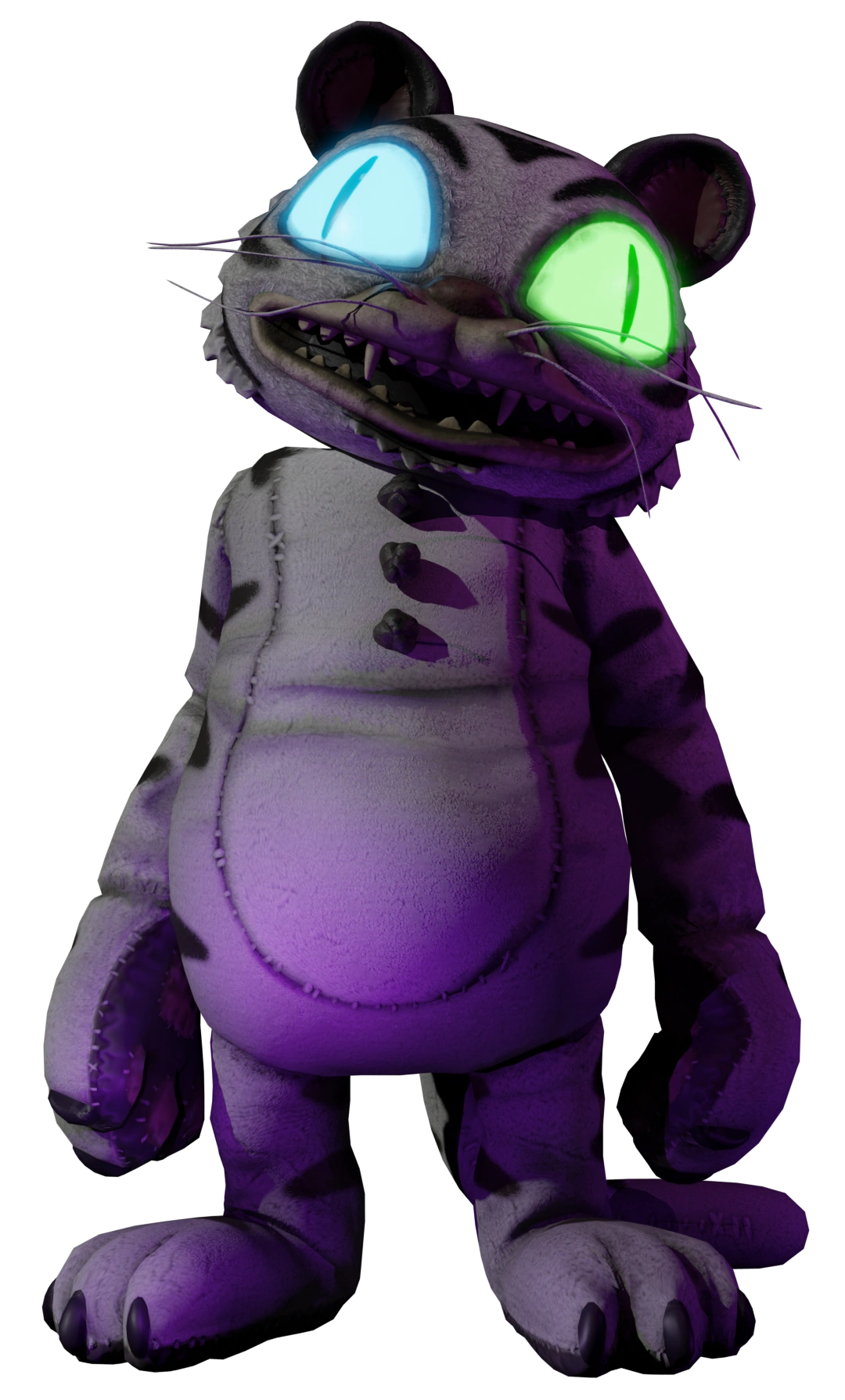
| White Tiger | David-linked toy and mascot image that also appears as a secondary threat. |
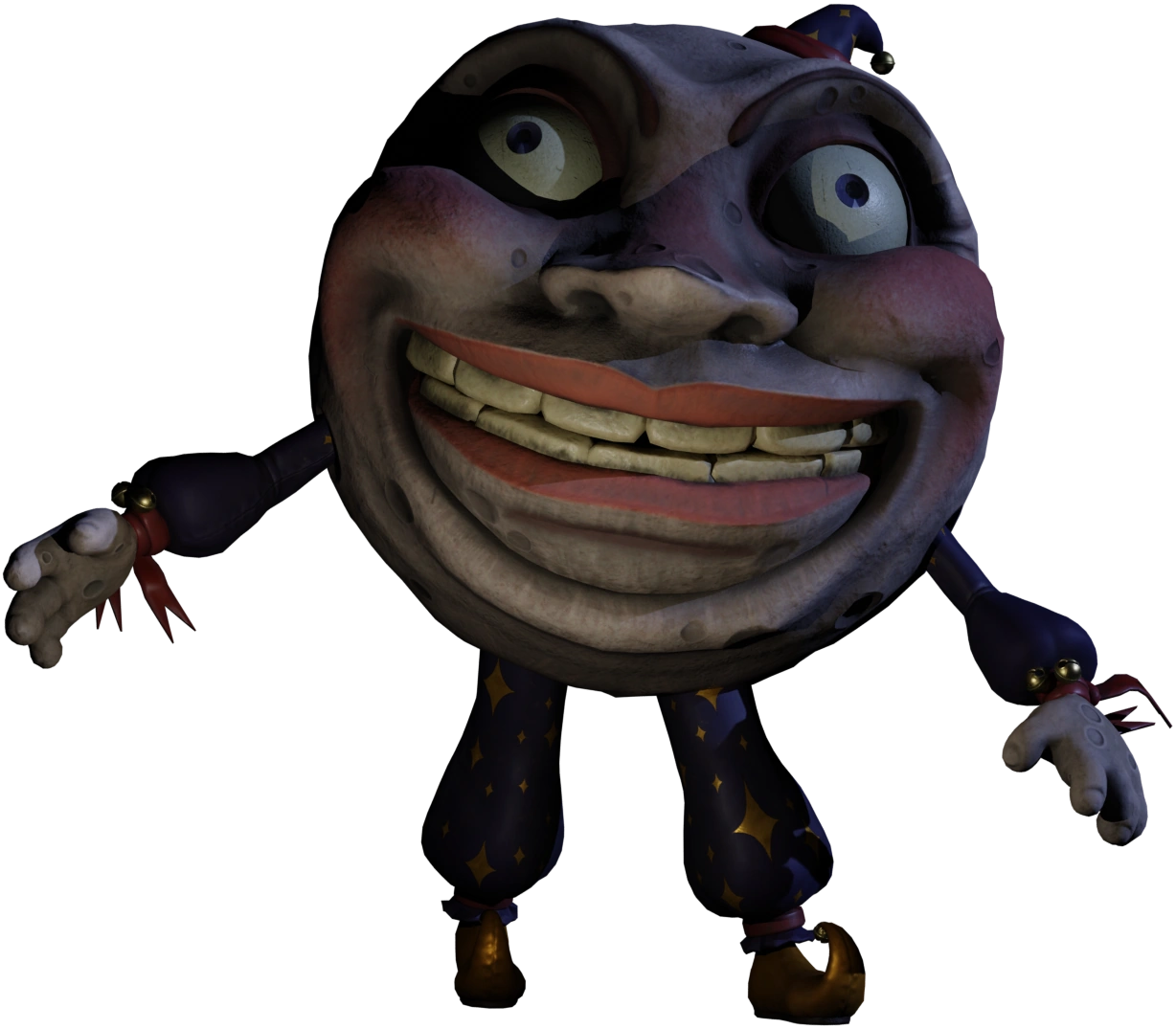
| Sleepy Moon | Moon-themed wearable costume associated with Moon.exe and the hidden showroom route. |
| Protomimics | A group of smaller prototype machines that act as secondary enemies. |
Machines, performers, and grouped cast
| Name | Fixed role in the reference set |
|---|---|
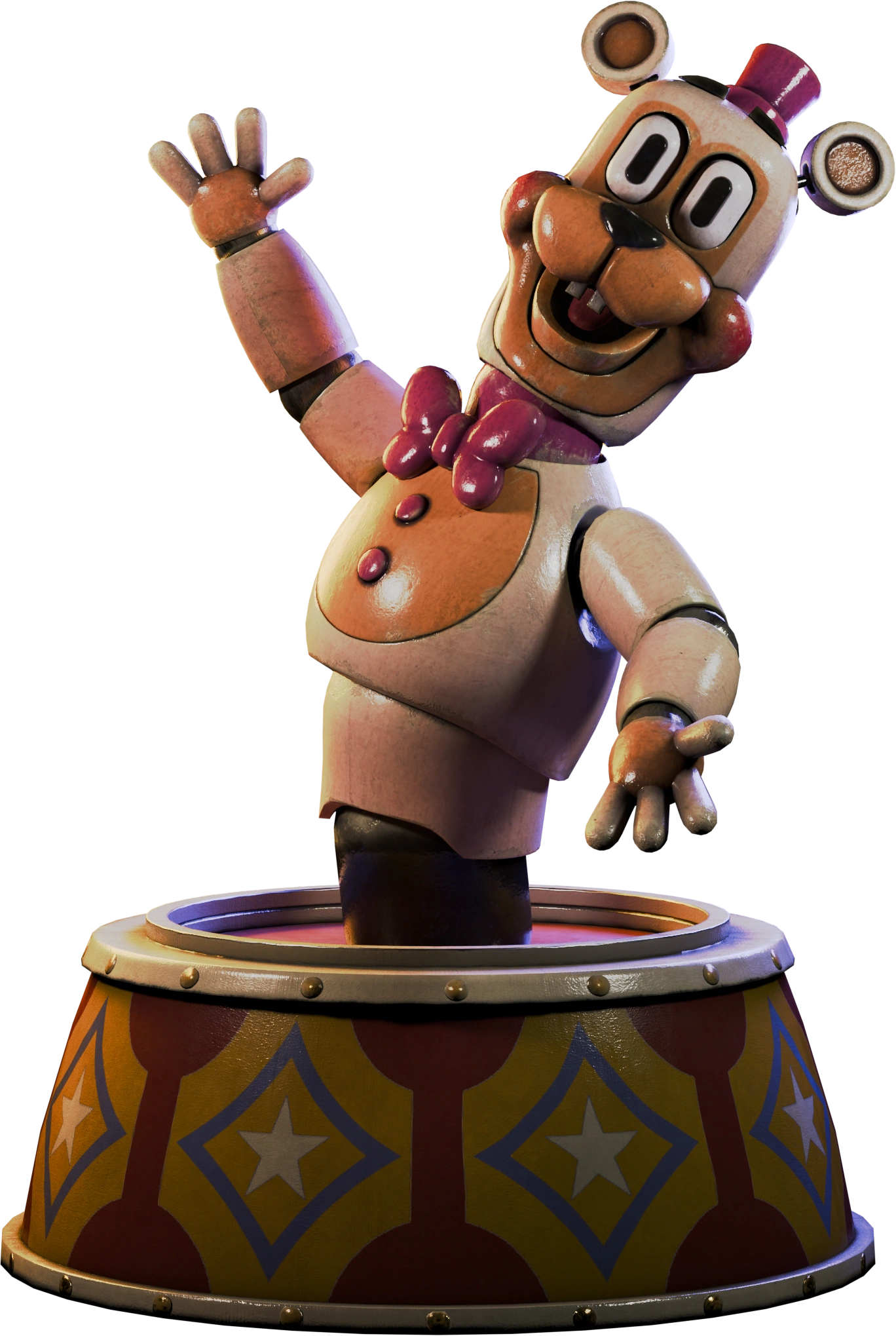
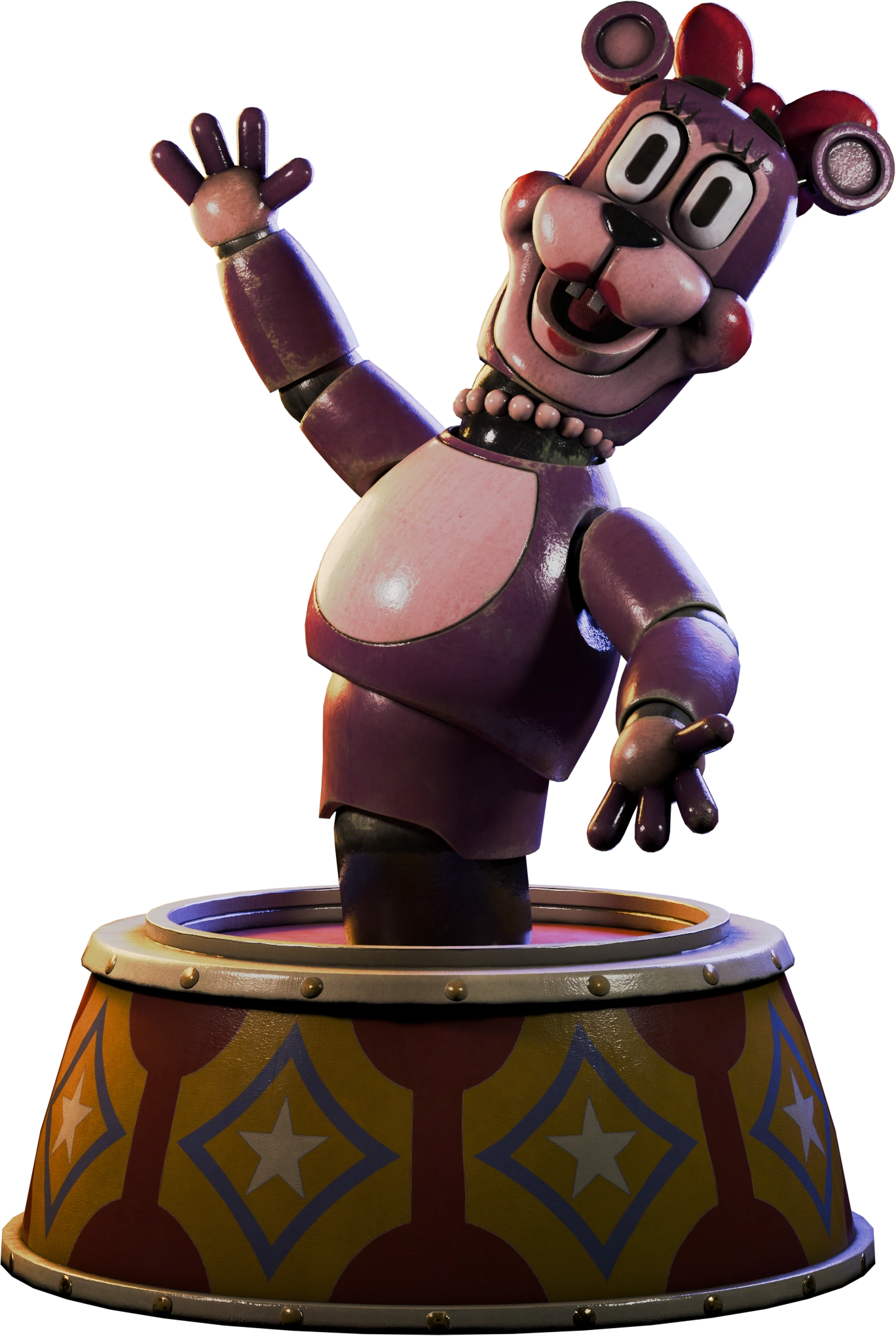
| Mr. Helpful / Mrs. Helpful | Small bear machines for employee guidance, motivation, and optional explanations. |
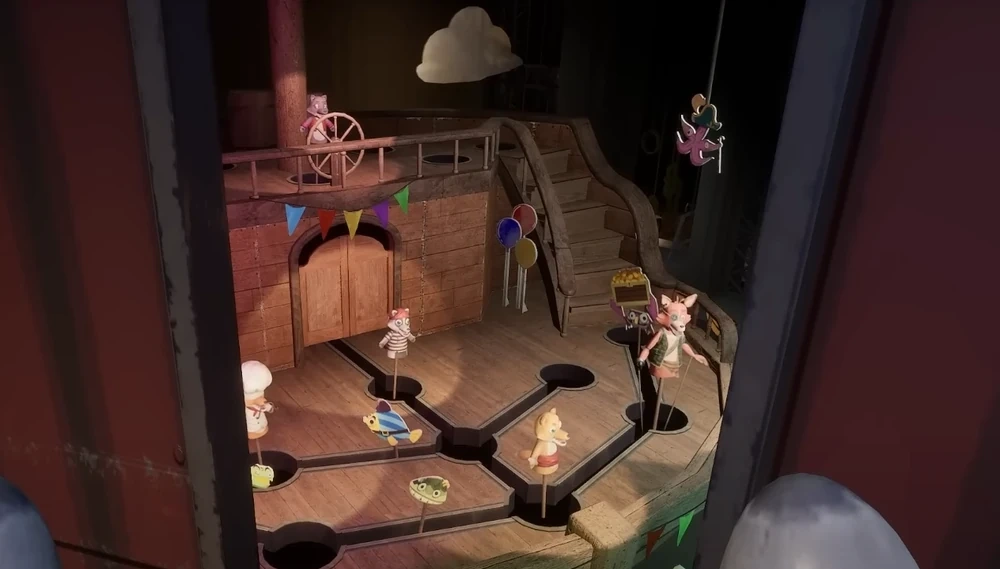
| Puppet Crew | Pirate-stage puppet group: First Mate Foxy, Puppet Roxy, Kit, Bawson, and Renard. |
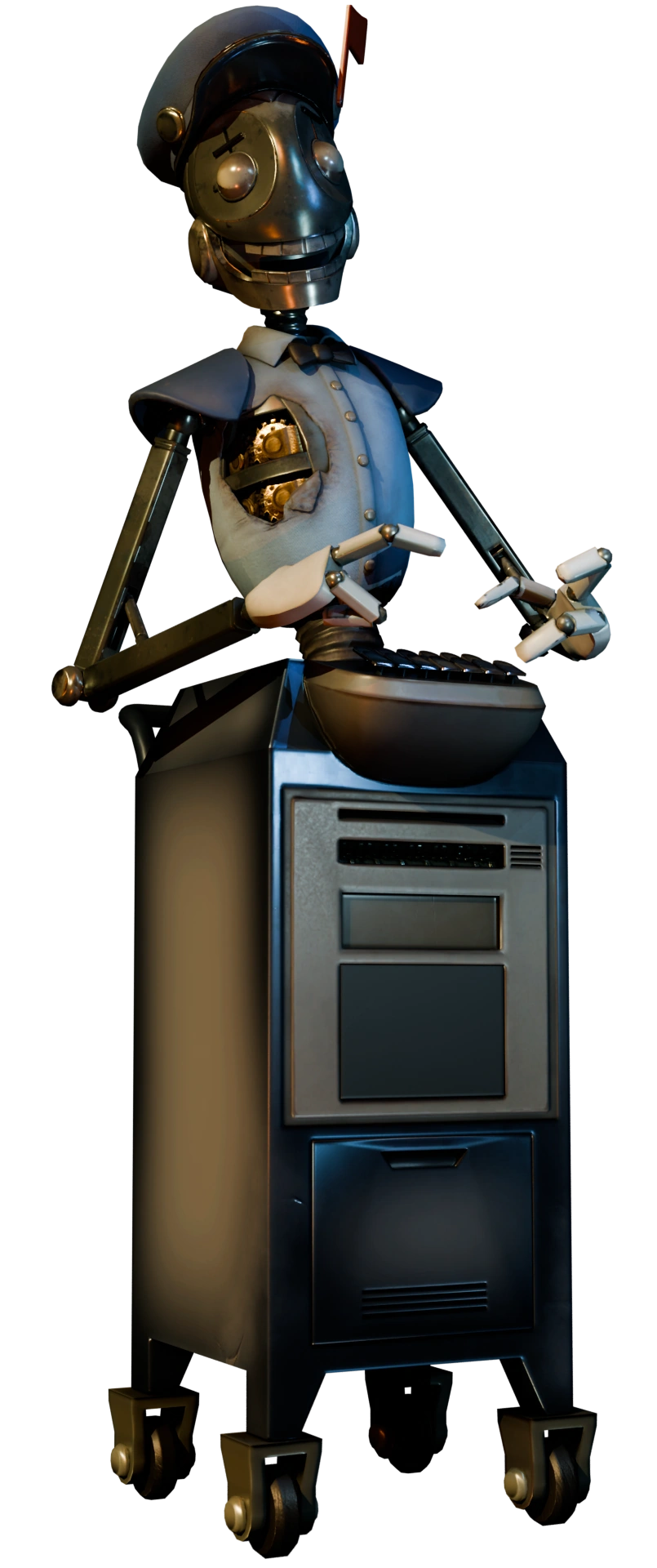
| Digi-Typer | Warehouse manager-office document and fax machine. |
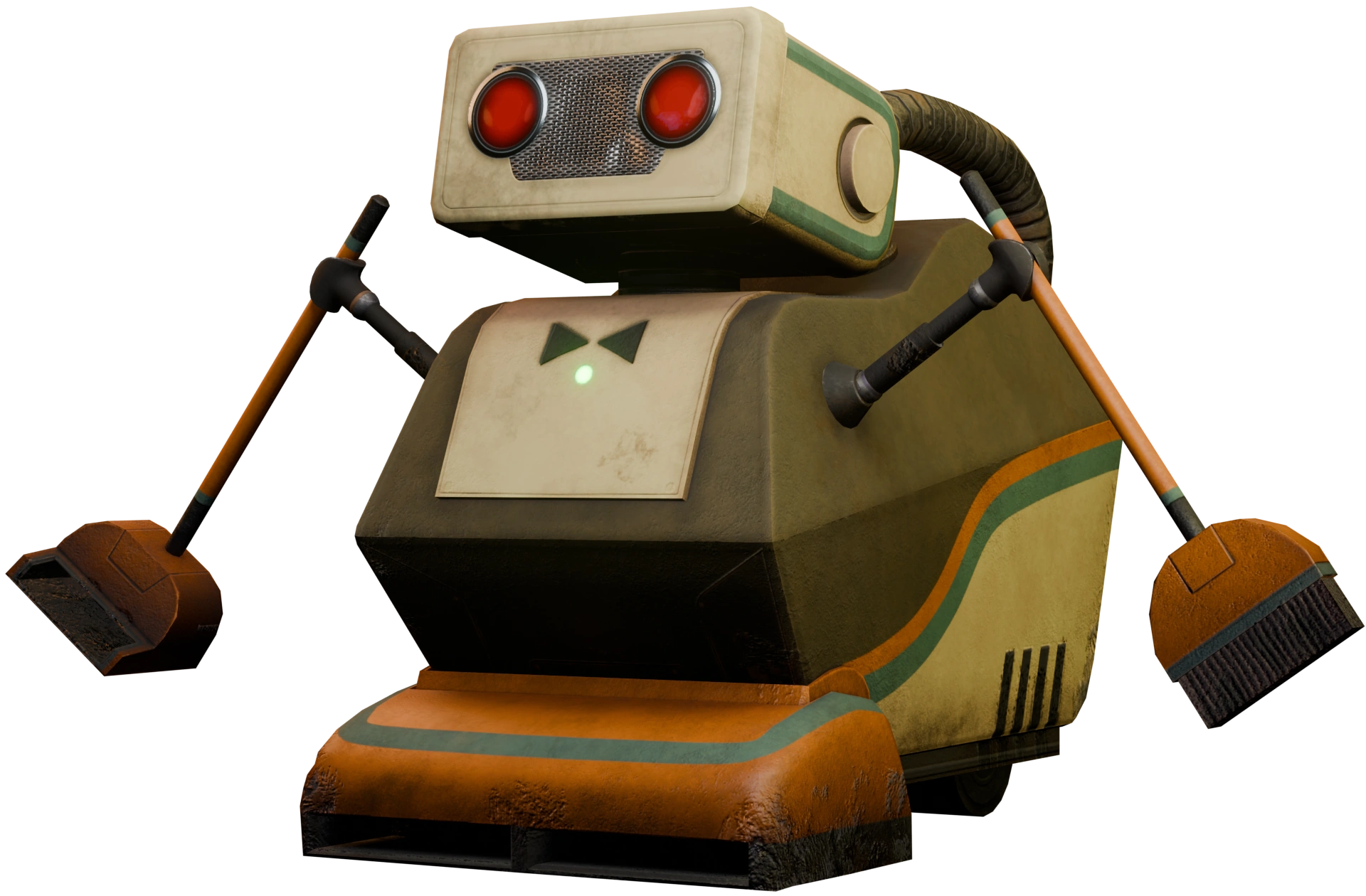
| Clean-O-Vac | Small automatic vacuum designed by Edwin. |
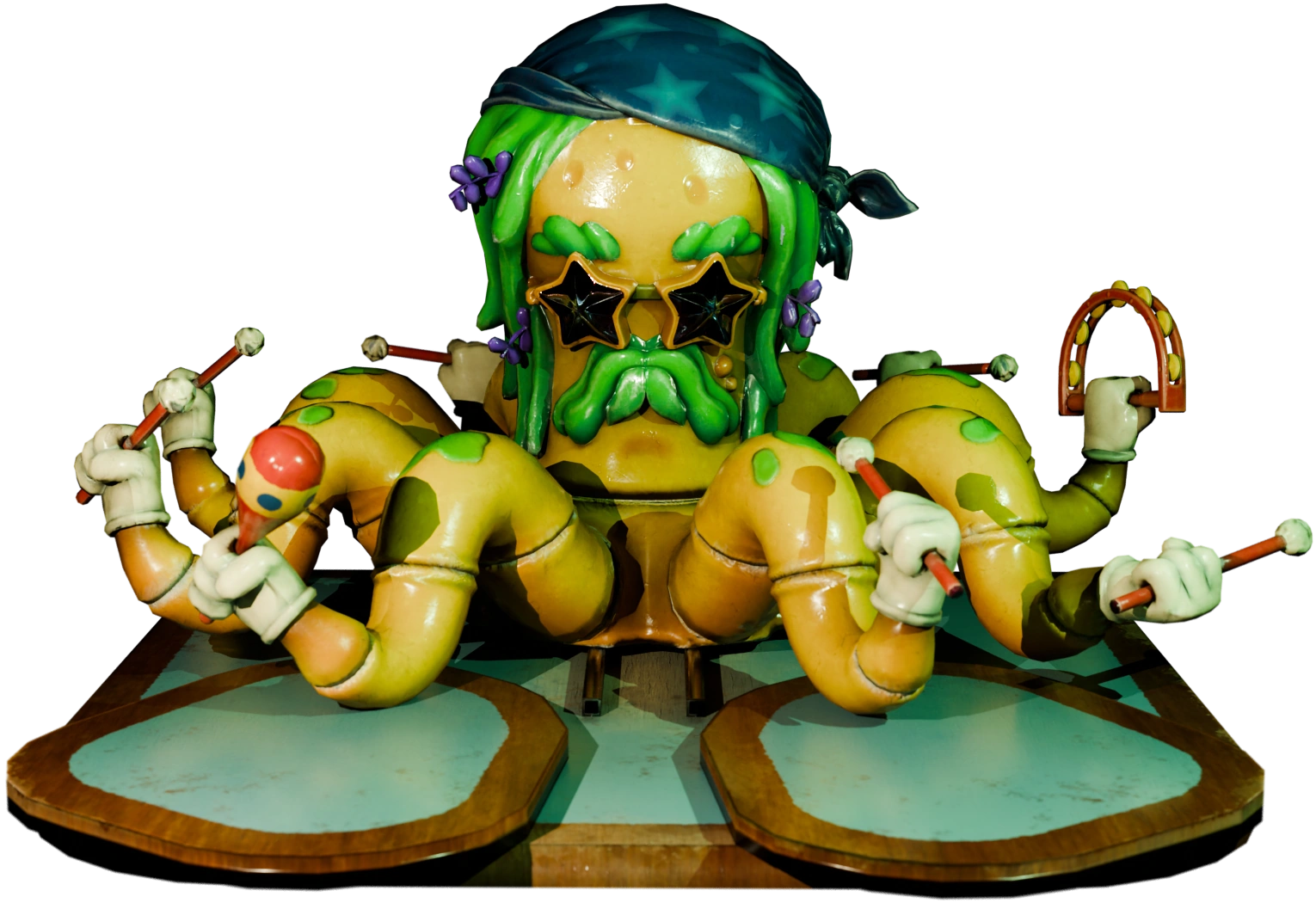
| Rocktapus | Octopus performer in the Welcome Show and puppet-stage material. |
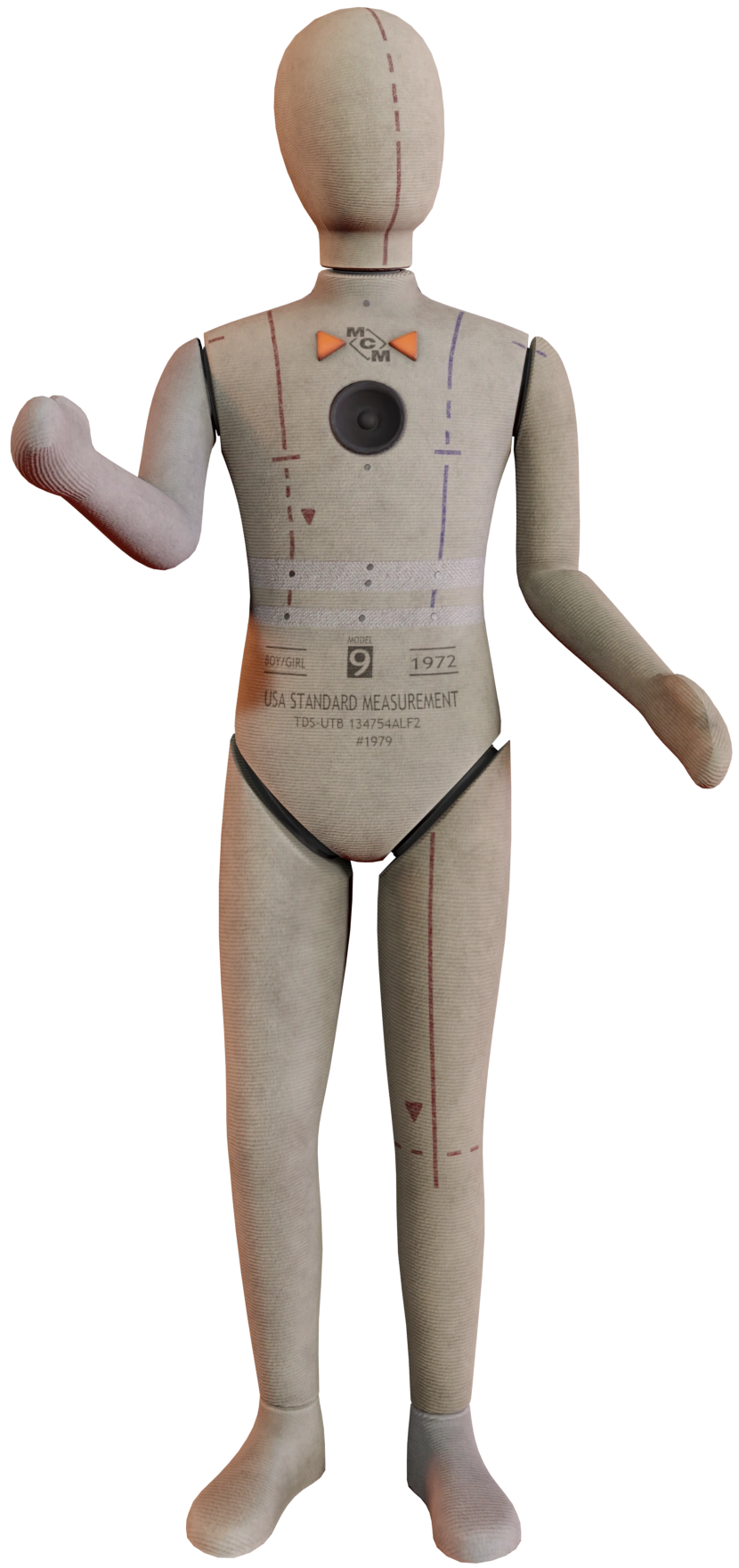
| Mannequins | Fixed mannequin machines around the facility that create a smaller obstacle or noise risk. |
| Mascot Suits | A category page for the manor's wearable mascot shells and their variants. |
Suits, prototypes, and legacy names
The following names are present because their pages were directly linked by the game overview. They should not all be described as newly introduced enemies.
| Group | Names in the collected data |
|---|---|
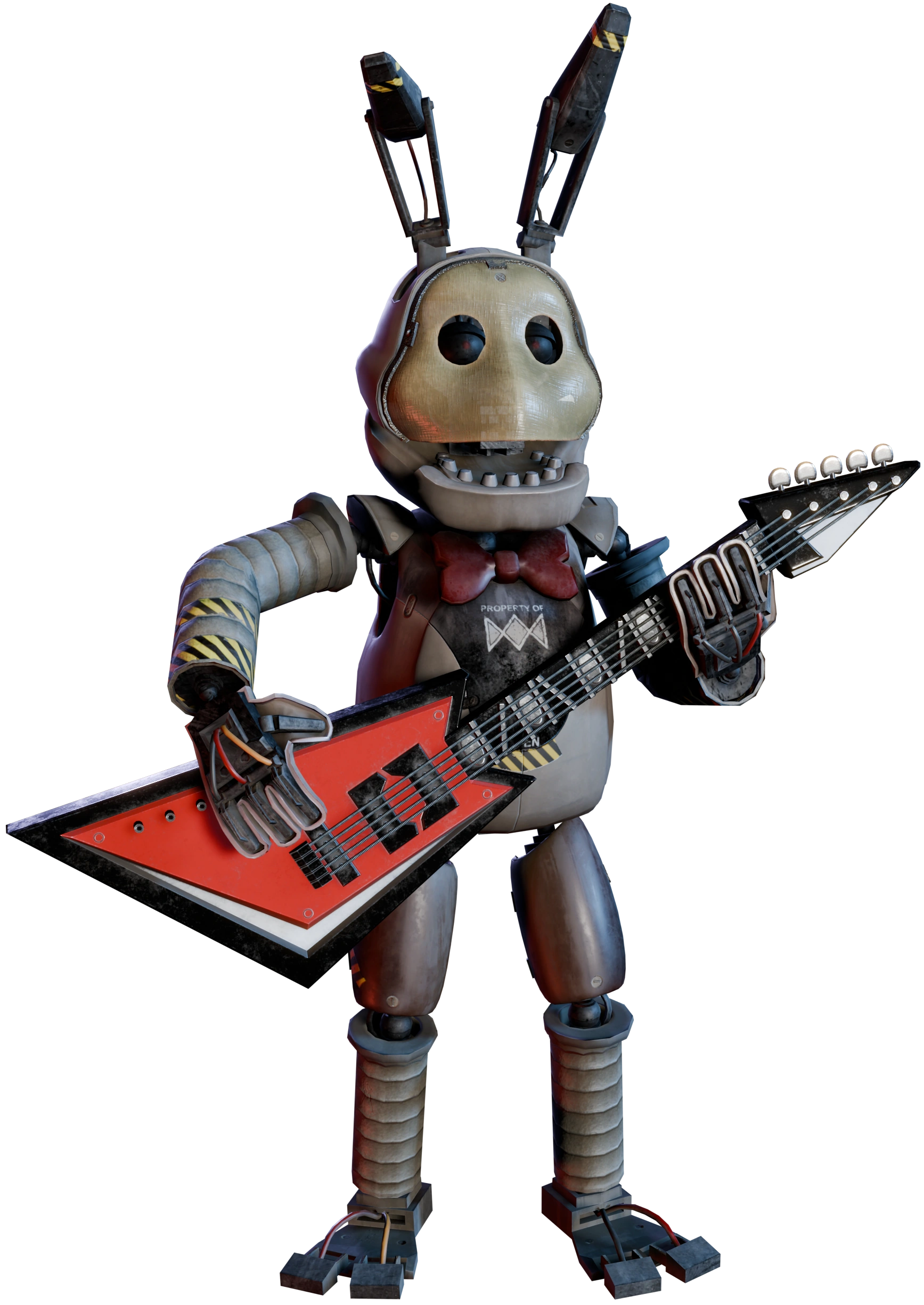
| Springlock / wearable suits | Pirate Captain, Springlock Monty, Bub, Prototype Spring Bonnie, Prototype Fredbear |
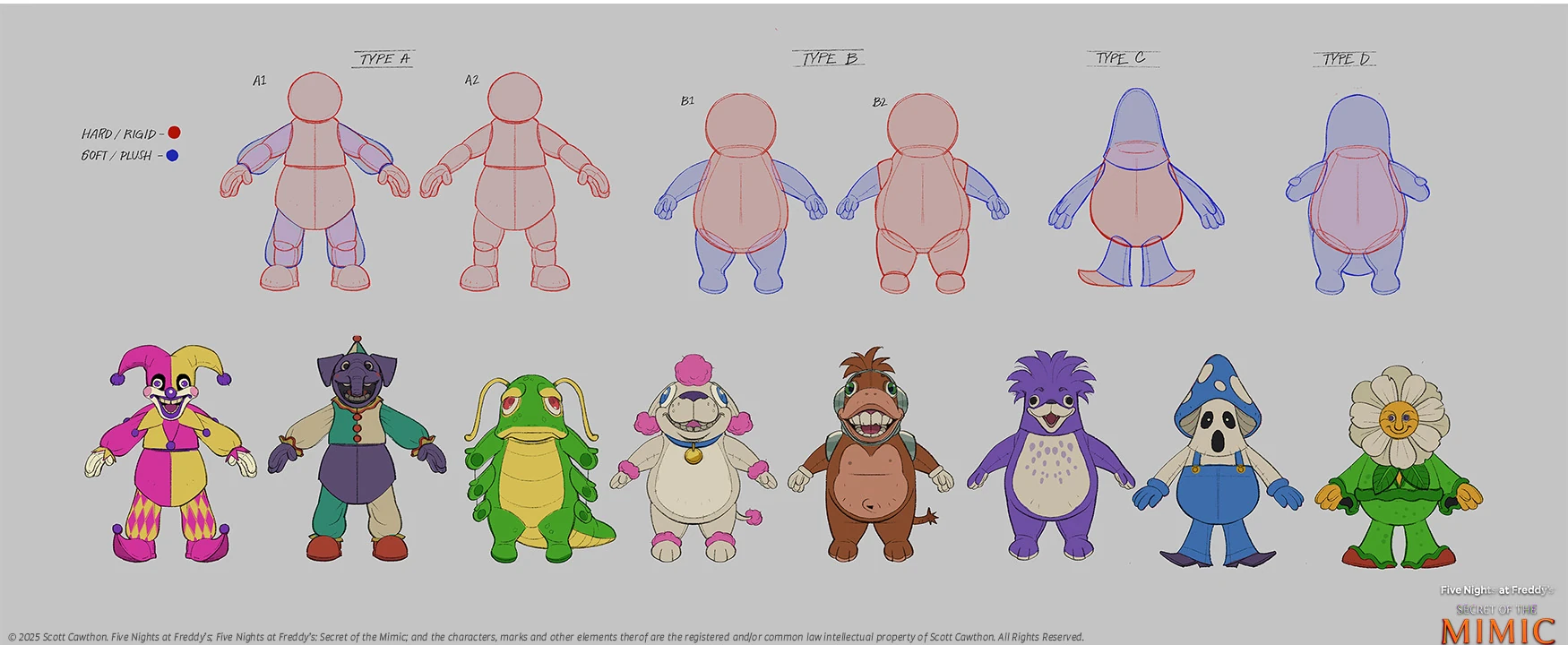
| Mascot inventory | Birthday Puppy, Sharpay, Hedgehog Hudgie, Lyrical Lemur, Mycellium Men, Swing Bee, Jester Mascot, Party Time Chica, White Tiger, Sleepy Moon |
| Prototype performers | Prototype Freddy, Bonnie, Chica, Cupcake, Foxy, and the Protomimics |
| Legacy character pages | Freddy Fazbear, Bonnie, Chica, Foxy, Fredbear, Cupcakes, Spring Bonnie, Springtrap |
Animatronics and Costume Suits
Reading rules for this catalogue
- A person explains the mission or family history.
- A core enemy can define an encounter, chase, patrol, or survival rule.
- A machine or performer may identify a room or show concept without being an active pursuer.
- A suit is equipment or a shell unless the page specifically identifies an independent machine using it.
- A legacy page can contain series-wide history. It is included for reference, not as proof that every version appears in this game.
For a route, room rule, or item location, use the complete walkthrough instead of treating a character name as a gameplay instruction.